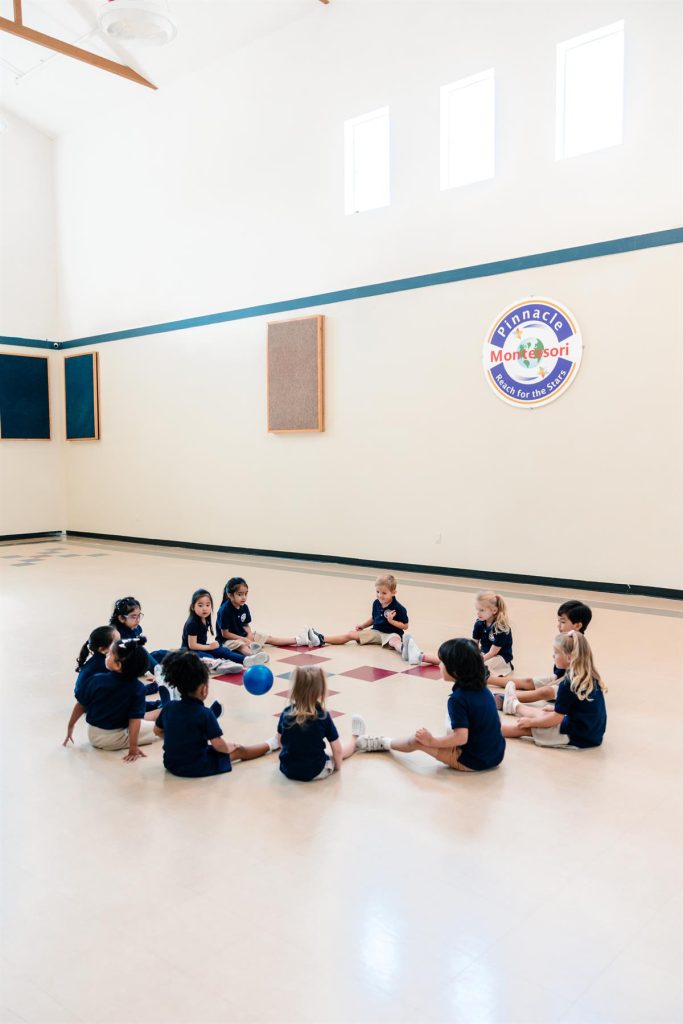
Montessori schools are a unique educational approach that focuses on fostering independence, self-directed learning, and holistic development in children. If you’re considering enrolling your child in a Montessori school, here are 10 reasons why they are different from traditional schools:
1. Child-Centered Learning: Montessori schools prioritize the individual needs and interests of each child, allowing them to learn at their own pace and explore subjects that spark their curiosity.
2. Hands-On Learning: Montessori classrooms are equipped with hands-on learning materials that encourage children to engage with concepts through touch and movement, making learning more interactive and meaningful.
3. Mixed-Age Classrooms: Montessori schools often have mixed-age classrooms, allowing children to learn from and with their peers of different ages. This promotes collaboration, leadership skills, and a sense of community.
4. Freedom within Limits: Montessori classrooms offer children freedom to choose their activities and work independently, within a structured and supportive environment. This helps children develop self-discipline and responsibility.
5. Emphasis on Practical Life Skills: Montessori education includes activities that teach children practical life skills, such as cooking, gardening, and cleaning. These skills are essential for fostering independence and everyday competence.
6. Individualized Curriculum: Montessori schools tailor their curriculum to meet the needs and interests of each child, providing a personalized learning experience that encourages intellectual growth and social development.
7. Focus on Emotional Intelligence: Montessori education emphasizes the importance of emotional intelligence, teaching children how to identify and express their emotions, resolve conflicts, and develop empathy towards others.
8. Respect for the Child: Montessori educators see children as capable and competent individuals, deserving of respect and dignity. They strive to create a nurturing and supportive environment that acknowledges and values each child’s unique strengths and challenges.
9. Integrated Learning: Montessori education integrates subjects across disciplines, allowing children to see connections between different areas of knowledge and develop a holistic understanding of the world around them.
10. Lifelong Love of Learning: Montessori schools aim to instill a lifelong love of learning in children, fostering a sense of curiosity, creativity, and intellectual engagement that will serve them well throughout their academic and personal lives.
Overall, Montessori schools offer a unique and enriching educational experience that promotes the development of the whole child – intellectually, socially, emotionally, and physically. If you’re looking for a school that values individuality, independence, and a love of learning, a Montessori education may be the right choice for your child.