Enroll Now: Leading Daycare Programs in Sachse for Your Child

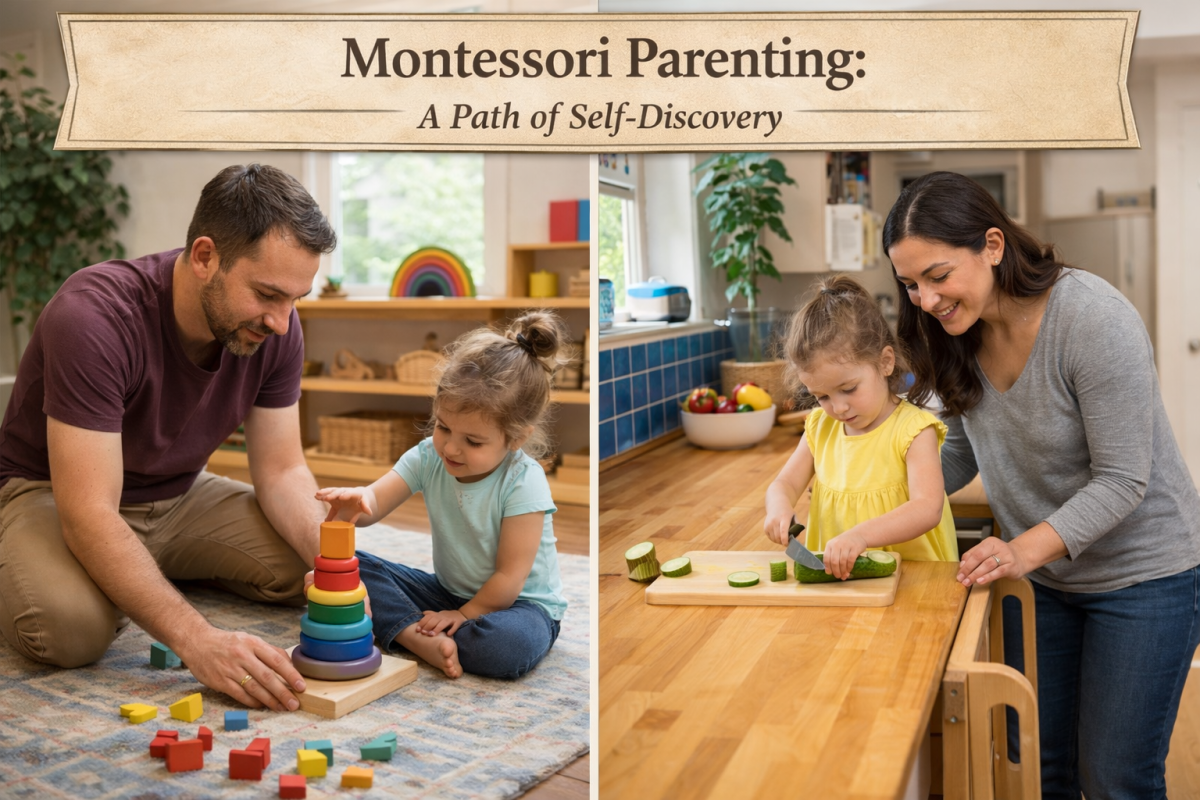
The concept of Montessori has long extended beyond the realms of Daycare, Pre-K, and Kindergarten classrooms. Now, Montessori parenting is gaining popularity as a path to self-discovery for both parents and children.
What Is Montessori?
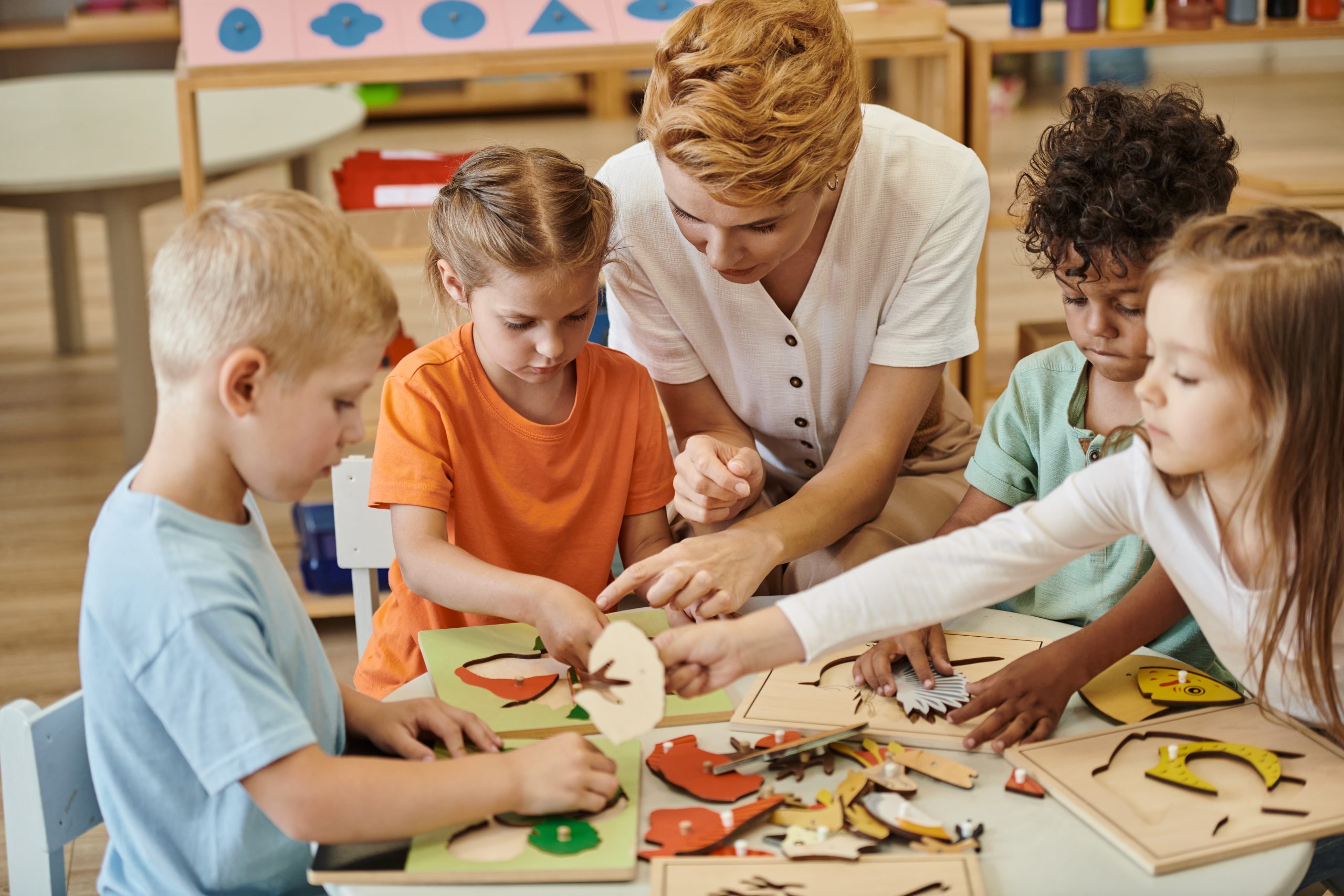
Montessori is an educational approach centered on fostering a child’s natural interests and activities. Dr. Maria Montessori, an Italian physician and educator, introduced it in the early 20th century. The method allows children to learn at their own pace, taking the lead in their education and using hands-on materials in a prepared environment.
The Montessori method is primarily focused on early childhood and elementary education. However, the principles of this method have been adopted and integrated into parenting practices as well.
1. Freedom With Limits
Allow children autonomy, but set clear boundaries. This balance fosters independence while ensuring safety.
2. Prepared Environment
Create spaces at home that cater to your child’s needs and interests. It could be as simple as setting up a low shelf with educational toys or a mini art station.
3. Observation
Actively watch and listen to your child. By doing so, you can better understand their needs and interests.
4. Realistic World
Encourage real-world experiences. Instead of plastic toys, provide wooden tools, real dishes, and natural materials.
5. Peace Education
Teach children about peace, respect, and understanding, creating a harmonious environment.
6. Less is More
Clutter can be distracting. Emphasize quality over quantity.
7. No Punishments or Rewards
Avoid traditional discipline methods. Instead, focus on understanding the root cause of the behavior.
8. Refine the Natural Senses
Activities that stimulate the senses, like sound boxes or texture boards, can help in cognitive development.
9. Work Periods
Acknowledge your child’s concentration span and allow them to focus without interruption.
10. Sensitive Periods
Recognize periods when your child shows an increased capacity to learn certain skills and provide tools and opportunities to harness this.
Montessori parenting promotes respect, understanding, and autonomy. It’s less about controlling your child and more about guiding and observing them. The approach is child-centered and is based on the belief that children learn best when they’re in an environment that supports and respects their individual growth and development. Here are some key characteristics and principles of Montessori parenting:
1. Respect for the Child: One of the cornerstones of the Montessori philosophy is respect for the child as an individual. This means recognizing the child’s feelings, needs, and opinions.
2. Prepared Environment: Just as Montessori classrooms are designed to be child-friendly and encourage independent exploration, Montessori parenting emphasizes setting up a home environment where children can safely explore, learn, and become self-sufficient.
3. Encouraging Independence: Montessori parenting believes in allowing children to do things for themselves, from self-care tasks like dressing and washing to setting the table or cooking simple meals.
4. Observation: Much like Montessori teachers observe their students to understand their needs and interests, Montessori parents aim to be attentive observers of their children. By watching closely, they can adapt the environment or offer activities that cater to the child’s current interests.
5. Guidance, Not Discipline: Instead of relying on punitive measures, Montessori parenting uses guidance to help children understand the consequences of their actions and encourages them to find solutions to problems themselves.
6. Follow the Child: This principle emphasizes allowing the child to take the lead in their learning and exploration. Instead of imposing adult-chosen tasks or play, Montessori parents provide opportunities based on the child’s natural interests.
7. Teaching Real-Life Skills: Children are encouraged to participate in real-life tasks, like cooking, cleaning, and gardening, as these activities foster independence and self-confidence.
8. Limiting Toys and Clutter: Rather than overwhelming a child with countless toys, Montessori parenting advocates for a smaller number of high-quality, educational, and purposeful items that encourage deep, focused play.
9. Valuing Process Over Product: Instead of focusing on end results, such as a finished craft project, the emphasis is on the process and the learning that occurs during an activity.
10. Encouraging Concentration: Allowing children to focus on a task without interruption, even if they are simply playing with a set of blocks or drawing, is another key Montessori principle. This uninterrupted work time helps children develop concentration and persistence.
Montessori parenting, like the Montessori education approach, is about helping children develop their fullest potential through an understanding and supportive environment. However, it’s important to note that every family and child is unique, so while the Montessori approach offers valuable insights and methods, it’s crucial for parents to adapt any philosophy to their individual situations and needs.

The strategy revolves around observing the child, understanding their needs, and setting up an environment that fosters independent learning. In both the classroom and at home, the Montessori philosophy centers on creating an environment where children can develop independence, self-discipline, and a love for learning.
It’s worth noting that while many parents appreciate and apply Montessori principles at home, it’s not necessary to adhere to every single tenet strictly. Many families integrate aspects of Montessori that resonate with them while adapting others to suit their unique family dynamics and cultural practices.
Books such as “The Montessori Toddler” and “Montessori from the Start” offer insights into this parenting approach.
Here’s a list of more notable Montessori parenting books:
1. “The Montessori Method” by Maria Montessori
– This is the foundational text where Maria Montessori herself explains her philosophy and methods. It’s more academic, but it’s essential for understanding the roots of the method.
2. “The Absorbent Mind” by Maria Montessori
– Another work by Montessori, this book delves into the child’s development from birth to six years.
3. “Montessori from the Start: The Child at Home, from Birth to Age Three” by Paula Polk Lillard and Lynn Lillard Jessen
– This book focuses on applying Montessori principles during the very early years.
4. “How To Raise An Amazing Child the Montessori Way” by Tim Seldin
– A visually appealing and accessible guide for parents, packed with practical ideas for implementing Montessori principles at home.
5. “Teaching Montessori in the Home: Pre-School Years: The Pre-School Years” by Elizabeth G. Hainstock
– This book provides parents with clear, practical guidance for using Montessori techniques at home with preschool-aged children.
6. “Montessori Today: A Comprehensive Approach to Education from Birth to Adulthood” by Paula Polk Lillard
– This is an overview of the Montessori method as it applies across all age ranges.
7. “The Montessori Toddler: A Parent’s Guide to Raising a Curious and Responsible Human Being” by Simone Davies
– An excellent resource specifically for parents of toddlers, offering insights into the Montessori approach for this age group.
8. “Montessori at Home Guide: A Short Guide to a Practical Montessori Homeschool for Children Ages 2-6” by A.M. Sterling
– A concise guide for those looking to apply Montessori principles in a homeschooling environment for younger children.
9. “The Joyful Child: Montessori, Global Wisdom for Birth to Three” by Susan Mayclin Stephenson
– This book provides insights into global Montessori practices for the youngest children.
10. “Montessori Play And Learn: A Parent’s Guide to Purposeful Play from Two to Six” by Lesley Britton
– This is a hands-on guide filled with activities and ideas for parents to engage their young children using Montessori principles.
These are just a few of the many books available on the topic of Montessori parenting. Depending on your interests and needs, you might find one of these particularly resonant. Remember, while Montessori offers a unique and effective approach, it’s also essential to find what resonates best with your family’s unique situation and dynamics.

Montessori Parenting Method
The Montessori parenting method revolves around fostering independence, respect for the child’s natural development, and creating an environment tailored to the child’s current stage of growth. This method emphasizes the importance of self-directed activities, hands-on learning, and collaborative play.
It’s important to note that while the Montessori method provides a set of guiding principles, each family can adapt these to their own values and circumstances. What’s crucial is the emphasis on respect for the child’s individuality and the fostering of a lifelong love for learning.
Montessori Parenting Examples
Allowing your child to choose their outfit, setting up a “kids’ kitchen” where they can prepare basic snacks, or creating a reading corner are practical examples.
Here are more Montessori parenting examples:
1. Prepared Environment: Set up a child-friendly home where everything is accessible to the child. This includes having furniture of their size, low shelves with materials for them to use, and a place for everything so they can clean up by themselves.
2. Respect for the Child: Treat the child as an individual with their own feelings, desires, and needs. This includes listening to them, validating their feelings, and refraining from interrupting their concentration.
3. Teaching Life Skills: Encourage children to do things for themselves, like dressing, feeding, and cleaning up. For example, instead of dressing your toddler, lay out two outfits and let them choose which one they want to wear.
4. Hands-On Learning: Instead of simply telling a child about something, let them experience it. If they show an interest in birds, for instance, rather than just reading a book about birds, go outside, observe birds, listen to their calls, and perhaps even build a birdhouse or feeder together.
5. No Rewards or Punishments: Montessori parenting discourages the use of external rewards or punishments. Instead, the focus is on intrinsic motivation and natural consequences. For instance, instead of giving a sticker for a job well done, you might acknowledge the effort they put in, and instead of a timeout, discuss the behavior and its implications.
6. Encourage Independent Thought: Allow your child to form and express their own opinions. Ask open-ended questions that make them think and express their thoughts.
7. Limit Electronics: Instead of screen time, encourage more hands-on activities that promote cognitive and physical development.
8. Observe the Child: Much of Montessori’s approach is based on observation. By observing your child, you can understand their needs, interests, and developmental stage, and then provide materials and opportunities that support their growth.
9. Use Real Tools: Instead of plastic toy tools, let your child use real, but child-safe, tools. This could mean a real broom, a real mop, or real cooking utensils, but sized for a child.
10. Involve in Real-Life Activities: Involve your child in daily life activities like cooking, gardening, and shopping. For instance, they can help in washing vegetables, counting fruits, or setting the table.
11. Grace and Courtesy Lessons: Teach children about manners and social interactions through modeling and role-playing. For instance, practicing how to greet someone or how to ask for something politely.
12. Child’s Choice: Within boundaries, allow children to make choices about what they want to do or learn about. This can foster a love for learning and a sense of responsibility.
13. Emphasize Process Over Product: Focus on the experience and the learning process rather than the end result. For example, if your child is painting, the emphasis should be on the experience of painting and not on creating a ‘perfect’ artwork.
Montessori parenting is all about guiding children toward independence and fostering a lifelong love for learning. By incorporating these examples into your parenting style, you can create an environment in which your child can thrive both emotionally and intellectually.

Montessori Parenting from Birth
Even infants can benefit from a Montessori environment. Simple acts like using a floor bed instead of a crib or offering toys that stimulate sensory development can be beneficial.
Montessori Parenting Tips
Start simple. Introduce one Montessori-based activity at a time. Observe your child and adjust accordingly.
How Do I Start Montessori Parenting?
Begin by educating yourself on the Montessori philosophy, then slowly integrate its principles into your home environment and daily routines.
How Do You Discipline a Child in Montessori?
Instead of punishments, engage in open dialogue, understand the root of the behavior, and guide the child towards appropriate behavior.
What Are the Effects of Montessori Parenting?
Children often develop a love for learning, increased independence, and improved problem-solving skills.
Benefits of Montessori Parenting
Children learn at their own pace, develop strong self-esteem, and are more equipped to handle real-world challenges.
Montessori parenting, whether you’re in Sachse, TX, or anywhere around the globe, provides a nurturing pathway for children’s growth. As parents embark on this journey, they not only witness their child’s development but also rediscover the world through their child’s eyes. Whether you choose to send your child to a Montessori daycare, pre-K, kindergarten, or a before or after-school program, the principles of Montessori can enrich the home environment and the bond between parent and child. Schedule your tour today.