1. Understanding the Montessori Method: Before transitioning to a Montessori environment, it’s important to familiarize yourself with the core principles of the Montessori philosophy, which emphasizes child-led learning, independence, and hands-on experiences.
2. Observation and Assessment: Expect that the transition will begin with an emphasis on observing your child’s interests, strengths, and areas for growth. Montessori educators typically assess students to tailor the learning experience to the individual needs of each child.
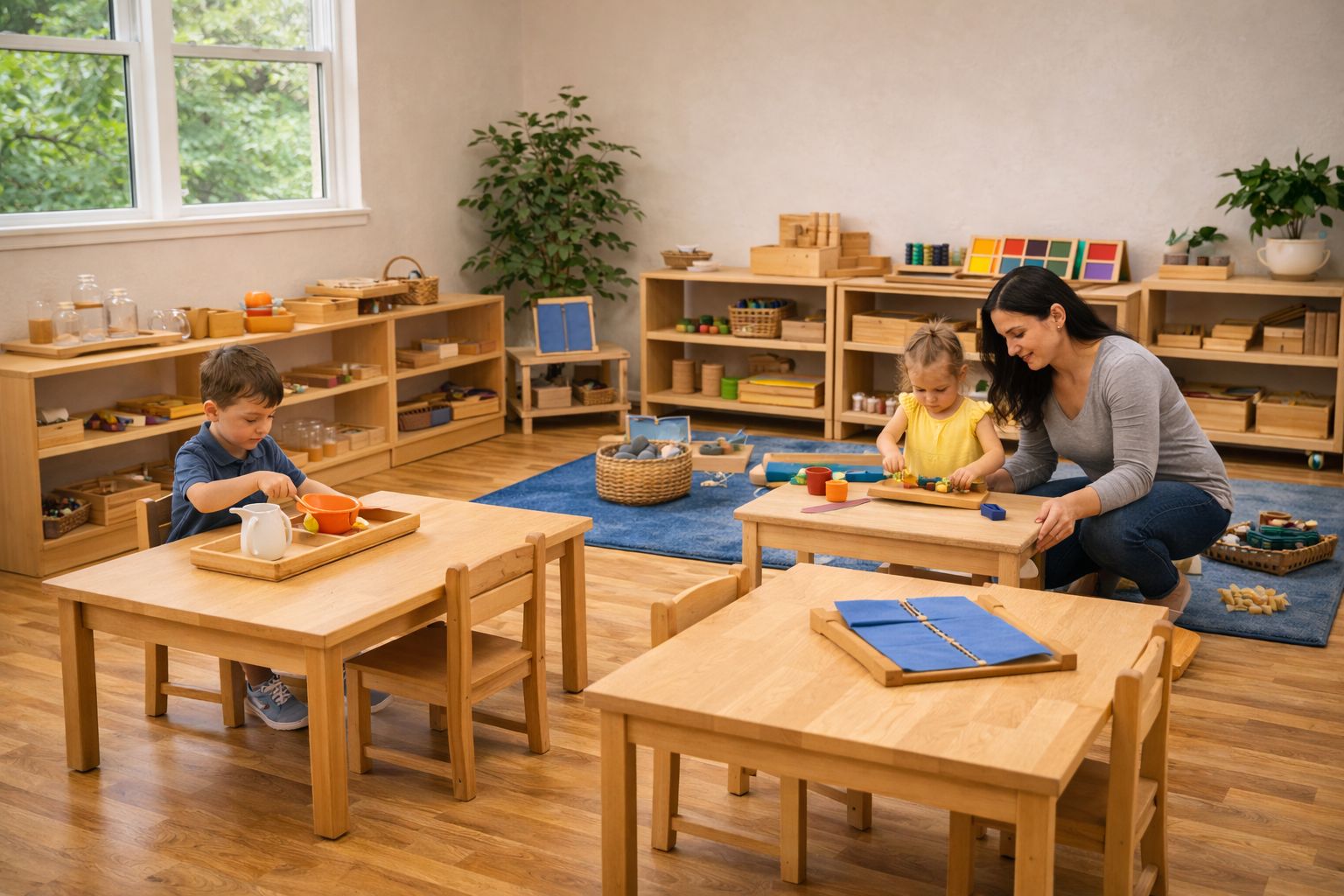
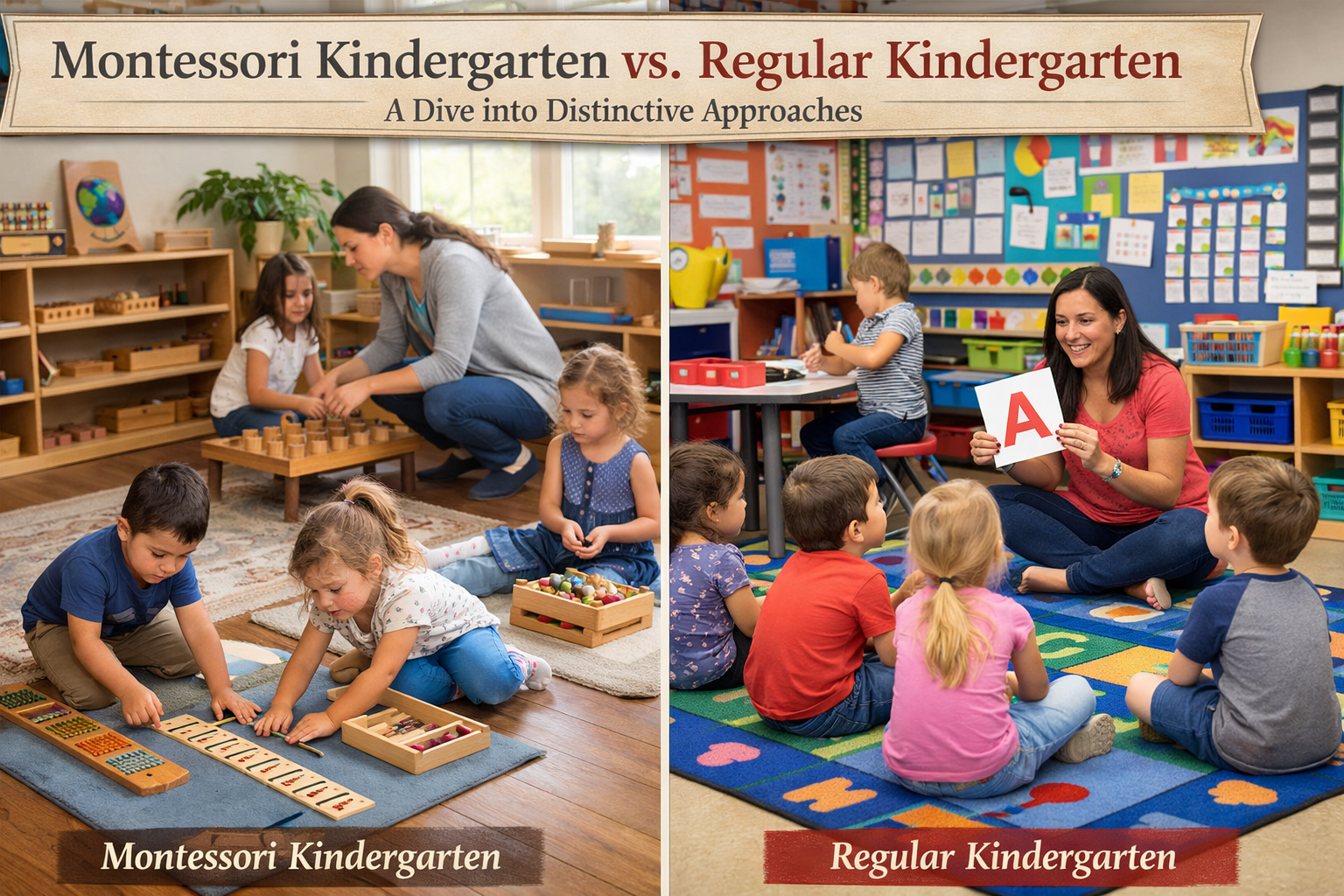
3. Learning Environment: Prepare for a different classroom setup. Montessori classrooms are designed to be inviting and engaging, featuring materials that are easily accessible to children. Expect your child to have a range of activities to choose from rather than a traditional lesson plan.
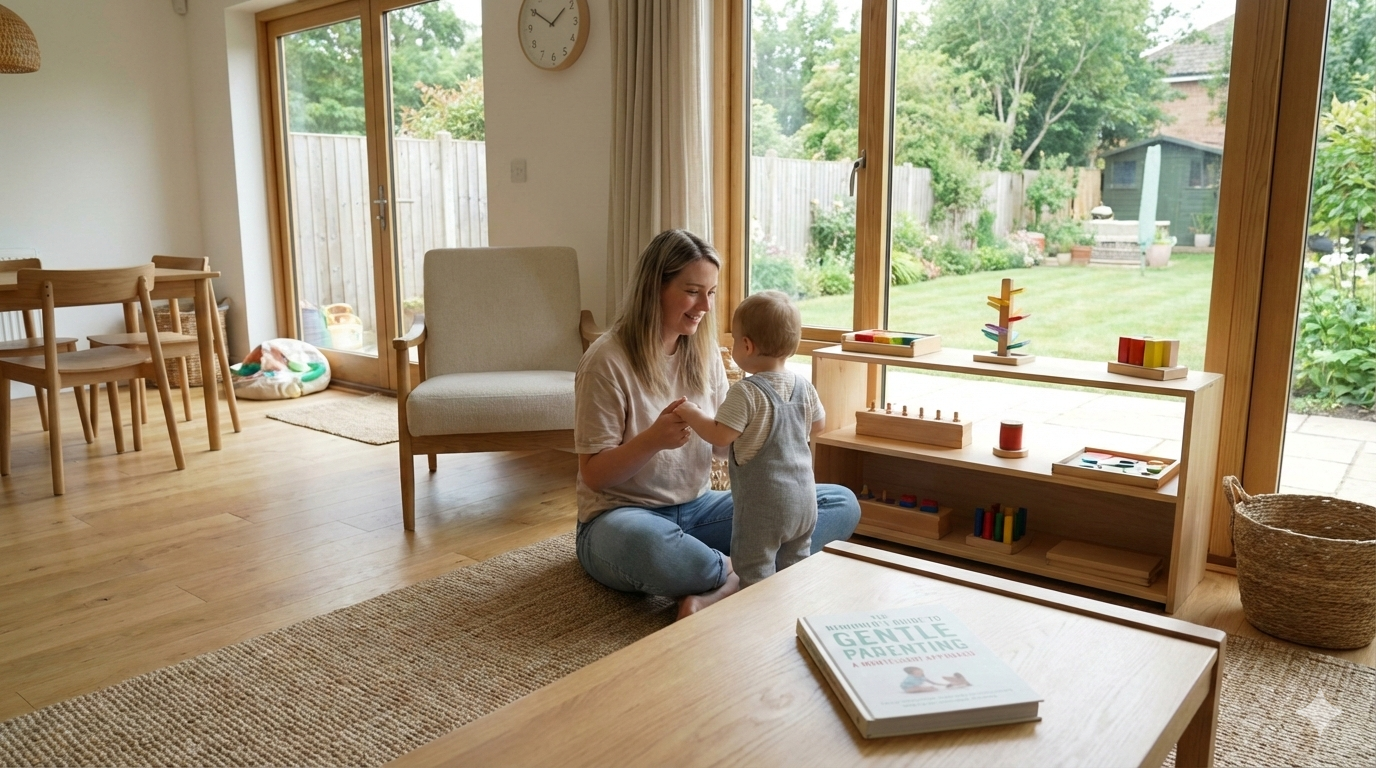
4. Independence and Choice: Your child will be encouraged to make choices about their learning activities. Prepare them for increased independence, which can be both exciting and challenging. This approach nurtures decision-making and responsibility.
5. Mixed Age Groups: In a Montessori setting, classrooms typically have mixed-age groups. This means your child will learn alongside older and younger peers, fostering a sense of community and collaboration.
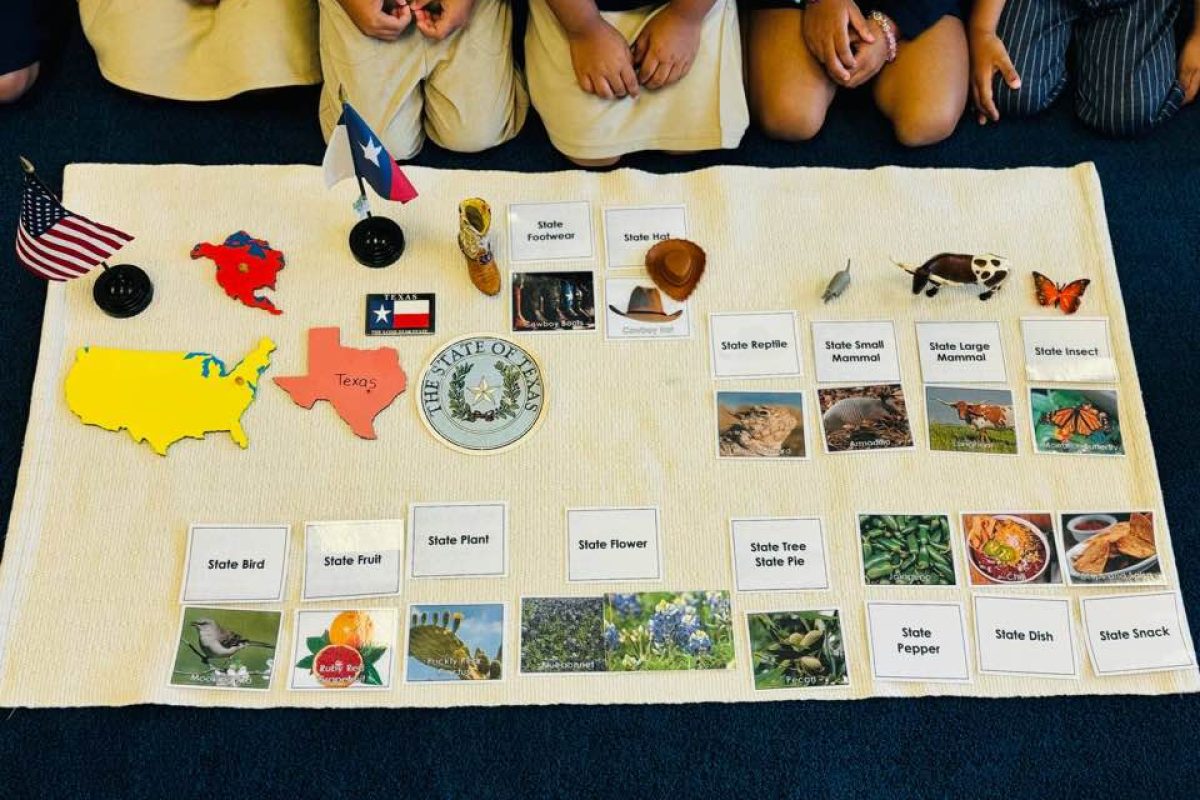
6. Focus on Practical Life Skills: Expect an emphasis on practical life skills, such as cooking, cleaning, and gardening. These activities help children develop fine motor skills, concentration, and an understanding of everyday tasks.
7. Collaborative Learning: Your child will engage in collaborative projects and lessons with peers. Prepare them for working with others and valuing diverse perspectives, as teamwork is encouraged in Montessori classrooms.
8. Encouragement of Exploration: Be ready for your child to explore a variety of subjects at their own pace. Montessori environments allow children to delve deep into topics that fascinate them, promoting a love for lifelong learning.
9. Less Structure, More Flexibility: Transitioning to a Montessori setting means adapting to a less structured environment with flexible schedules. Prepare your child for a day that may not follow traditional time slots for subjects but focuses on the flow of learning.
10. Parent Involvement: Expect to actively participate in your child’s Montessori education. Many Montessori schools encourage parents to engage in school activities, volunteer, and even attend workshops to better understand the Montessori approach.
11. Building Community: Transitioning to a Montessori environment often involves joining a supportive community of parents, educators, and families. Prepare to connect with others who share similar values regarding education and child development.
12. Patience and Adaptation: Understand that the transition might take time for both you and your child. Patience is essential as they adapt to the new philosophy and learning style, and open communication will help ease any concerns.
13. Emphasis on Observational Learning: Lastly, be ready for your child to learn through observation as much as through direct instruction. In Montessori, children learn by watching their peers engage with materials, fostering intrinsic motivation and curiosity.
Pinnacle Montessori of Sachse provides a nurturing and stimulating environment where young minds can flourish. We offer a variety of Montessori programs designed to cater to the developmental needs of children at different stages of their growth.
For more information about our Montessori programs and to schedule a visit to our campus, please call us at (972) 698-4204. We invite you to experience firsthand the nurturing and dynamic environment that Pinnacle Montessori offers. Join us in shaping the future by fostering your child’s natural curiosity and potential.