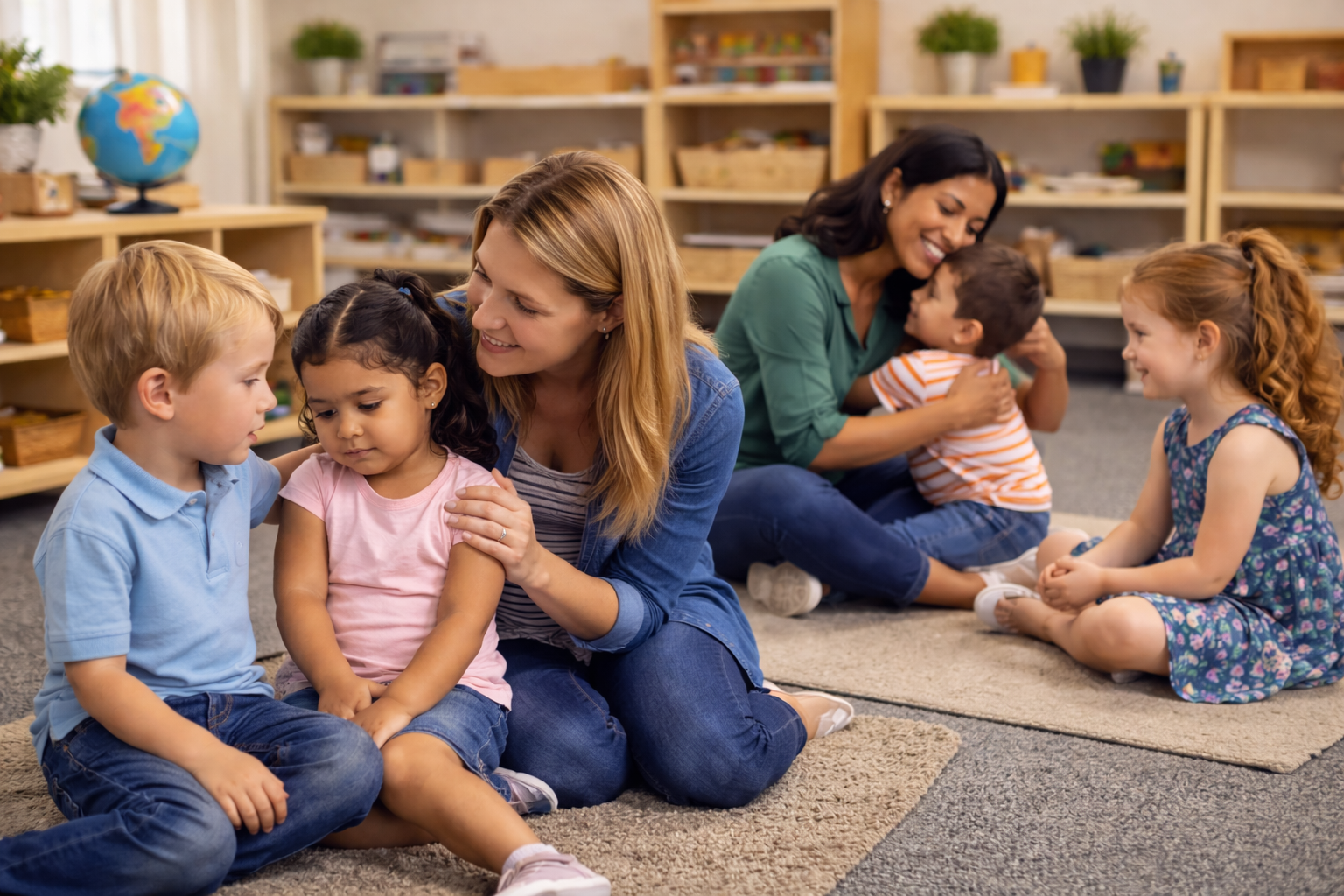
Montessori education is a unique approach to teaching that focuses on fostering independence, self-confidence, and a love of learning in children. One key aspect of Montessori education is the emphasis on teaching empathy to students from a young age.
Empathy is the ability to understand and share the feelings of others. In a Montessori classroom, empathy teaching plays a crucial role in shaping children’s social and emotional development. Here are some reasons why empathy teaching is important in Montessori education:
Promotes Social Skills: By teaching empathy, children learn how to understand and respond to the emotions of others. This helps them develop strong social skills that are essential for building positive relationships with their peers.
Encourages Kindness and Compassion: When children learn to empathize with others, they are more likely to act with kindness and compassion. This not only creates a harmonious classroom environment but also instills important values that they will carry with them into adulthood.
Builds Emotional Intelligence: Empathy teaching helps children develop emotional intelligence, which is the ability to recognize, understand, and manage their own emotions as well as those of others. This is a critical skill that will benefit them in all areas of their lives.
Fosters Conflict Resolution Skills: When children are able to empathize with others, they are better equipped to resolve conflicts peacefully and respectfully. Empathy teaching empowers children to communicate effectively, listen actively, and find mutually beneficial solutions to problems.
Encourages Diversity and Inclusivity: By teaching empathy, Montessori educators are nurturing a culture of acceptance and inclusivity in the classroom. Children learn to appreciate and respect the differences in others, leading to a more tolerant and understanding community.
Incorporating empathy teaching into Montessori education involves creating opportunities for children to practice empathy through role-playing, discussions, and real-life experiences. By emphasizing the importance of understanding and caring for others, Montessori educators are helping children develop into compassionate, empathetic, and socially aware individuals.