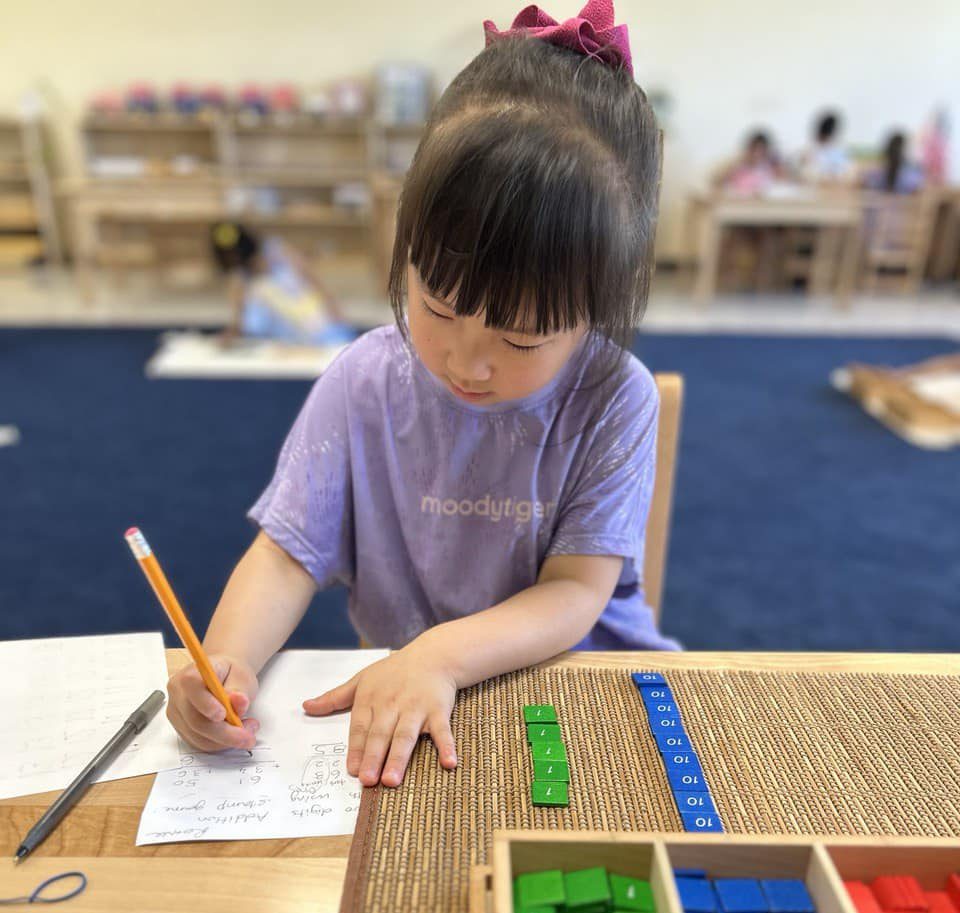
Montessori education has been gaining popularity in recent years as parents seek out alternative methods of education for their children. But what exactly makes Montessori schools so unique and effective?
1. Child-Centered Learning Environment
One of the core principles of Montessori education is the belief that children are naturally curious and eager to learn. In a Montessori classroom, children are given the freedom to choose their own activities and work at their own pace. Teachers act as guides, providing support and encouragement as children explore and discover new concepts.
2. Mixed-Age Classrooms
Montessori classrooms typically have mixed-age groupings, with children ranging from 3 to 6 years old in one classroom. This allows younger children to learn from older peers and older children to reinforce their own learning by teaching others. The multi-age environment helps children develop social skills, empathy, and cooperation.
3. Hands-On Learning Materials
Montessori classrooms are filled with hands-on learning materials that are specifically designed to teach key concepts in a concrete way. Children use these materials to explore mathematical concepts, language skills, sensorial experiences, and practical life tasks. By using their hands and senses to learn, children develop a deep understanding of abstract concepts.
4. Focus on Independence and Self-Regulation
Montessori schools place a strong emphasis on developing children’s independence and self-regulation skills. Children are encouraged to take responsibility for their own learning, make choices, and problem-solve independently. This helps children develop confidence, self-esteem, and a sense of ownership over their education.
5. Respect for Individual Differences
In a Montessori classroom, each child is valued as a unique individual with their own strengths, interests, and learning style. Teachers respect and support each child’s development, providing personalized guidance and encouragement based on their individual needs. This fosters a sense of belonging and acceptance in the classroom community.