

Montessori schools have gained popularity in recent years for their unique approach to early education. Founded by Dr. Maria Montessori in the early 20th century, Montessori schools focus on individualized learning, hands-on experience, and independence. Here are a few reasons why Montessori schools are considered the best choice for early education:
Child-Centered Learning
One of the core principles of Montessori education is that each child is unique and learns at their own pace. In a Montessori classroom, children are encouraged to explore and learn at their own pace, following their natural curiosity and interests. Teachers act as guides, providing support and encouragement as children discover new concepts and skills.
Hands-On Learning
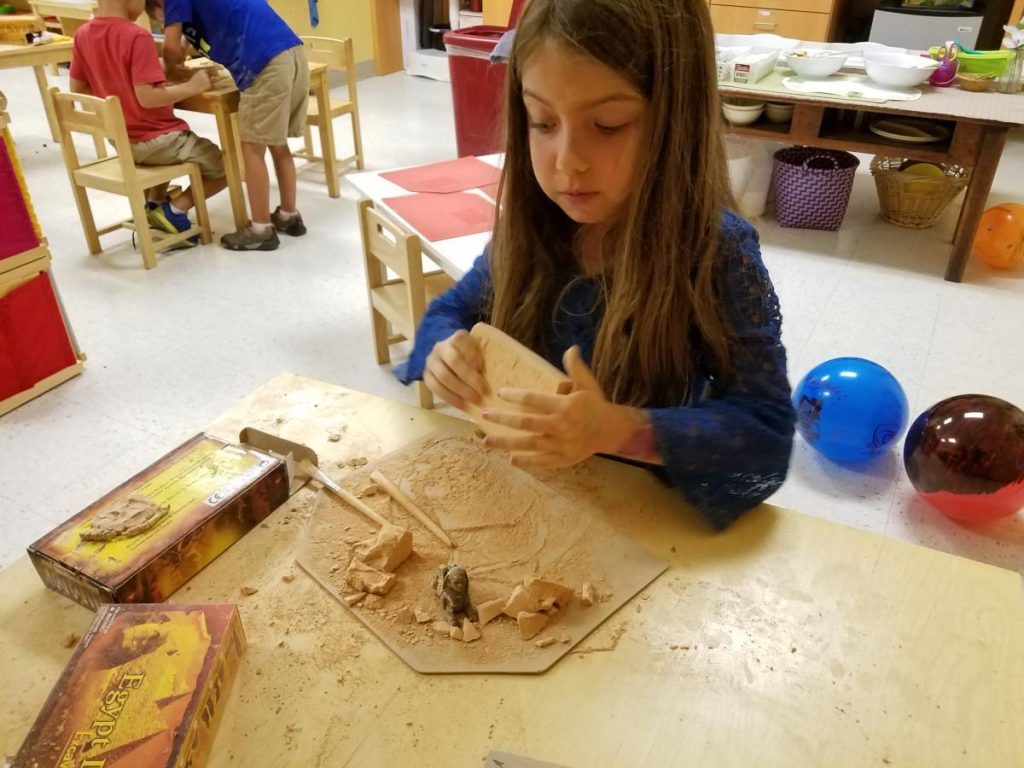
Montessori classrooms are filled with hands-on learning materials that help children explore and understand abstract concepts. From counting beads to learning about geography through maps and globes, children have the opportunity to manipulate and interact with materials in a concrete way. This hands-on approach fosters a deep understanding of concepts and encourages critical thinking and problem-solving skills.
Focus on Independence
Montessori education places a strong emphasis on developing independence and self-reliance in children. From a young age, children are given opportunities to make choices, solve problems, and take responsibility for their learning. This focus on independence helps children develop important life skills such as decision-making, time management, and organization.
Mixed-Age Classrooms
Montessori classrooms often have mixed-age groupings, with children spanning a three-year age range. This allows children to learn from and with their peers, regardless of age or ability. Older children serve as role models and mentors for younger children, while younger children have the opportunity to learn from more experienced classmates. This mixed-age dynamic promotes collaboration, empathy, and respect for others.
Emphasis on Social and Emotional Development
In addition to academic learning, Montessori education places a strong emphasis on social and emotional development. Children learn important life skills such as communication, conflict resolution, and empathy through daily interactions with their peers and teachers. Montessori classrooms are designed to be peaceful and harmonious environments that foster a sense of community and belonging.
