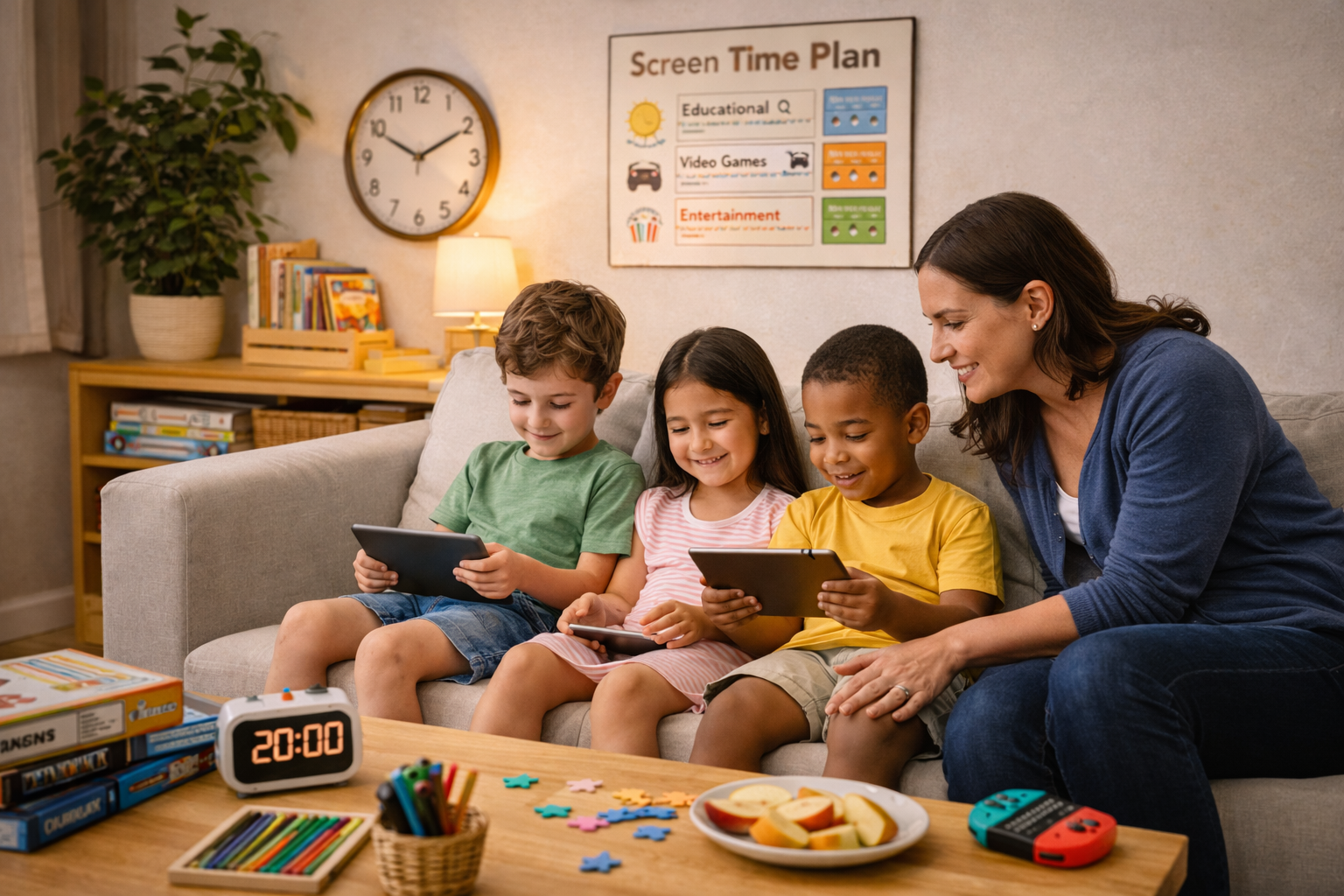
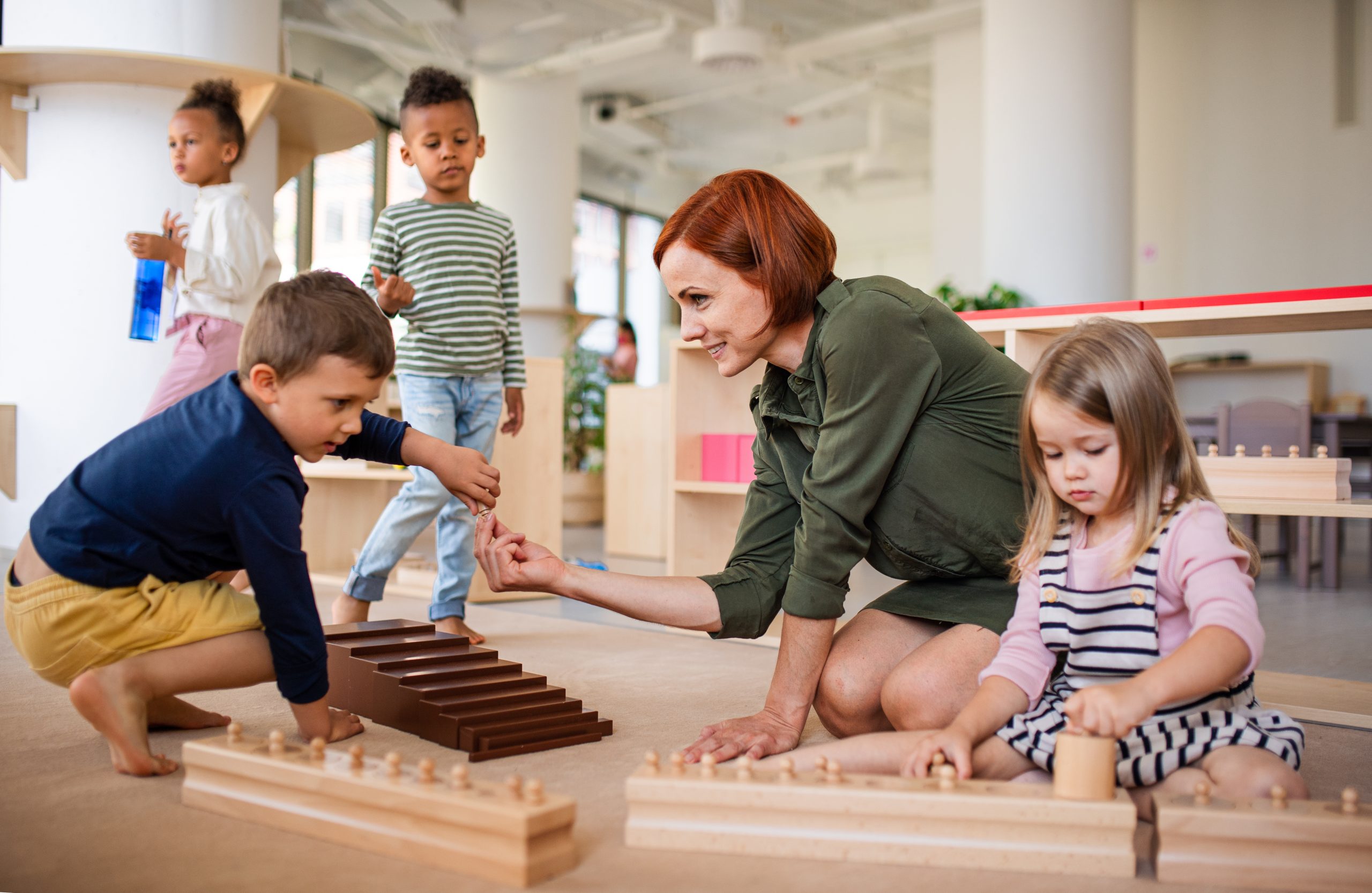
In an age where screens are an integral part of children’s lives, how can caregivers and educators ensure that screen time is beneficial and interactive? Montessori strategies can provide a framework for engaging children with screen content in meaningful ways. By approaching screen time with intention and creativity, caregivers can create enriching experiences that align with the Montessori philosophy of fostering independence, critical thinking, and a love of learning. Here’s how to incorporate Montessori strategies into interactive viewing.
1. Choose High-Quality Screen Content
Not all screen content is created equal. Opt for educational programs that promote critical thinking, creativity, and problem-solving. Look for documentaries, animated series, or interactive applications that align with authentic Montessori values. Content that promotes real-world knowledge and encourages exploration is ideal. Quality matters; consider shows created by reputable sources that adhere to educational standards.
2. Create an Environment for Interactive Viewing
Set up a comfortable and distraction-free environment for screen viewing. Arrange seating that allows for group discussion and interaction. Encourage engagement by making sure the space is flexible, such as using cushions or bean bags. Create an inviting atmosphere with soft lighting, and provide materials related to the content being viewed that children can use for supplemental activities. This setup can also lead to opportunities for tactile exploration based on what they’re watching.
3. Encourage Active Participation
Montessori education values active engagement over passive consumption. Before viewing, discuss what the children might expect from the content based on its title and description. During the viewing, pause the media at key moments to ask open-ended questions, prompting children to think critically. For instance, ask, “What do you think will happen next?” or “How do you think the character feels?” This encourages children to engage mentally and emotionally with the content.
4. Incorporate Hands-On Activities
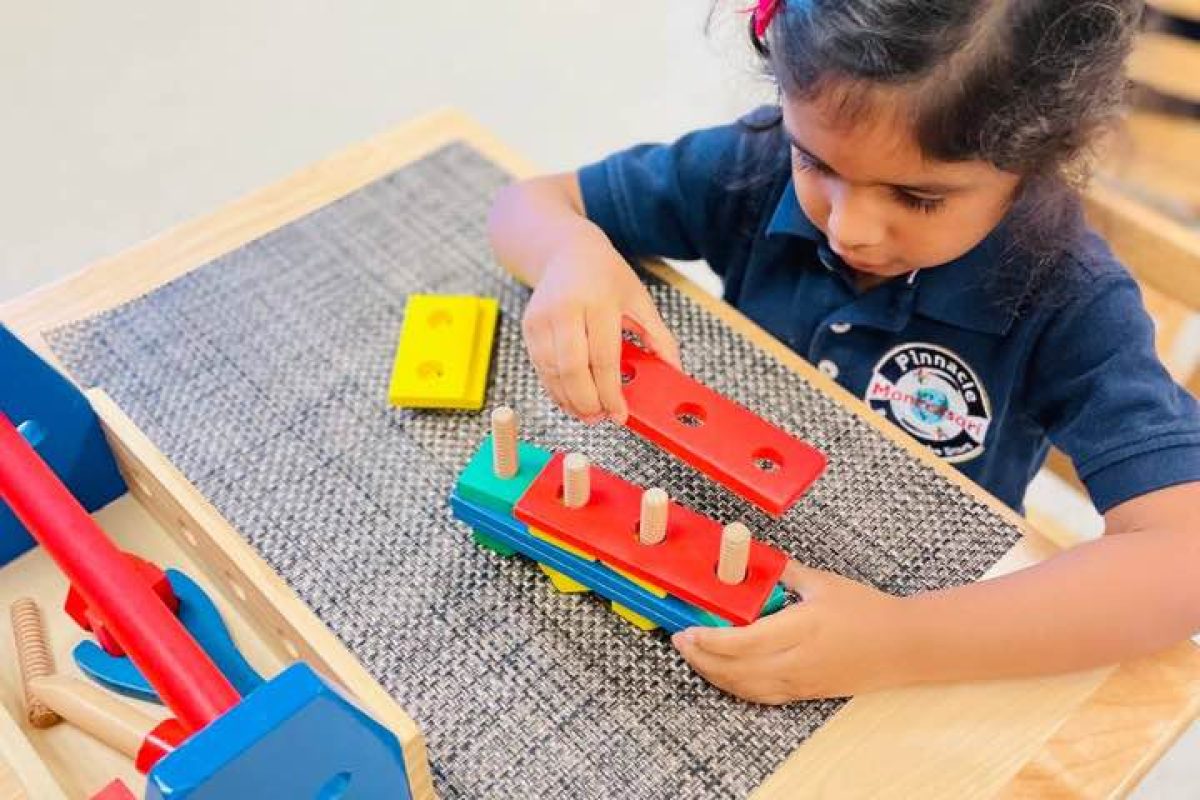
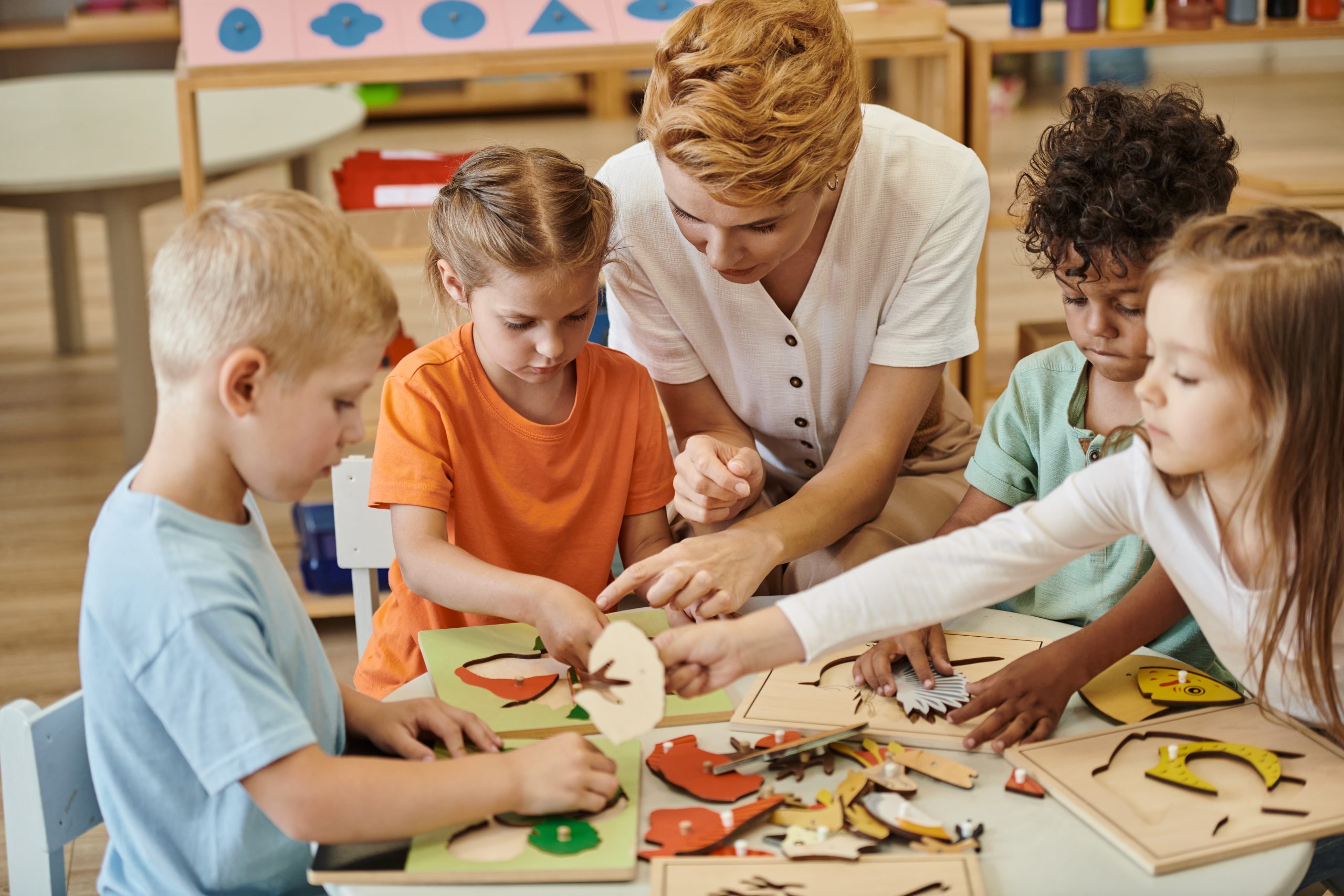
After watching, provide engaging activities that are related to what was viewed. If the video featured a particular animal, facilitate a project where children can learn more about it through books, crafts, or even experiments. This encourages deeper exploration and reinforces what they’ve learned. Consider offering hands-on learning experiences, such as cooking a dish featured in a culinary show, to intertwine skills and creativity with learning.
5. Foster Discussion and Reflection
After viewing, gather the children for a discussion about what they watched. Encourage them to communicate their thoughts, feelings, and reactions. This aligns with the Montessori method of reflection and social interaction. Use guiding questions to facilitate meaningful dialogue: “What was your favorite part? Why?” or “What did you learn that surprised you?” This not only enriches their comprehension but develops their ability to articulate thoughts.
6. Set Limits and Boundaries
While screen time can be educational, setting clear limits is essential in a Montessori environment. Establish guidelines around the duration and frequency of screen use. Encourage children to choose how much screen time they engage in, fostering autonomy while keeping it balanced with physical, creative, or hands-on activities. This approach teaches children to self-regulate and prioritize different types of learning experiences.
7. Use Reflection Journals
After engaging with screen content, encourage children to express their thoughts through reflection journals. They can illustrate, write, or dictate their feelings and learnings, which helps consolidate knowledge and improves writing skills. This practice aligns with Montessori’s emphasis on communication skills and self-expression.
8. Involve Children in Content Selection
Allowing children to participate in the selection of screen content empowers them and enhances their connection to what they are watching. Ask them to choose a program or topic of interest, presenting them with a shortlist of high-quality options. This not only involves them in decision-making but also promotes a sense of ownership over their learning process.
Pinnacle Montessori of Sachse provides a nurturing and stimulating environment where young minds can flourish. We offer a variety of Montessori programs designed to cater to the developmental needs of children at different stages of their growth.
For more information about our Montessori programs and to schedule a visit to our campus, please call us at (972) 698-4204. We invite you to experience firsthand the nurturing and dynamic environment that Pinnacle Montessori offers. Join us in shaping the future by fostering your child’s natural curiosity and potential.