The Montessori Approach to Teaching Empathy: Lessons for Life
Empathy is a powerful skill that allows individuals to understand and connect with others on a deeper level. It is an essential part of social-emotional development and plays a crucial role in building relationships, resolving conflicts, and fostering a sense of community. In the Montessori approach to education, empathy is not just a lesson to be taught, but a way of life to be nurtured and cultivated in every child.
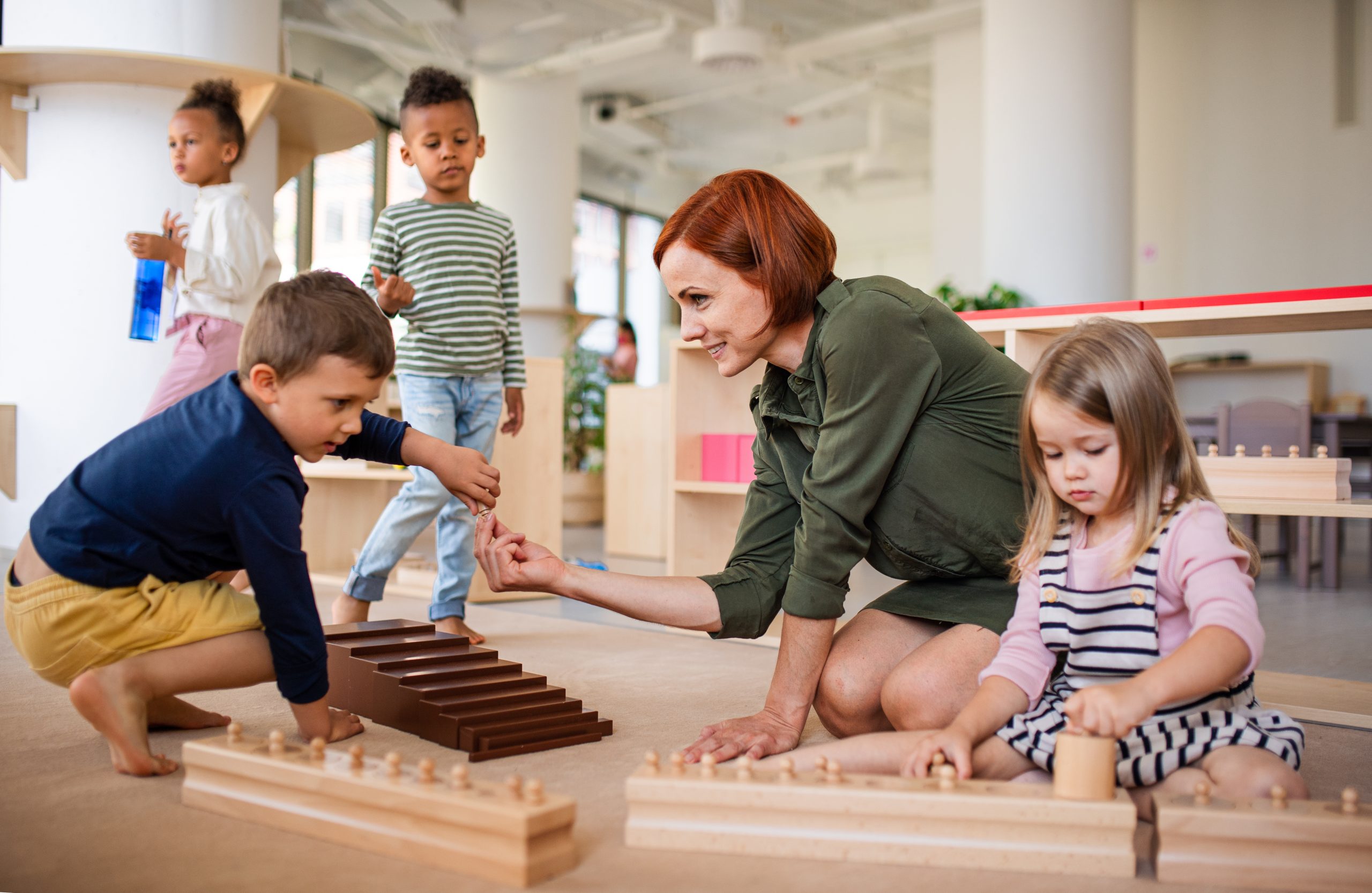
The Montessori method, developed by Dr. Maria Montessori, is based on the belief that children are natural learners who should be given the freedom to explore and discover the world around them at their own pace. In a Montessori classroom, empathy is woven into every aspect of the curriculum and is seen as an integral part of the holistic development of the child.
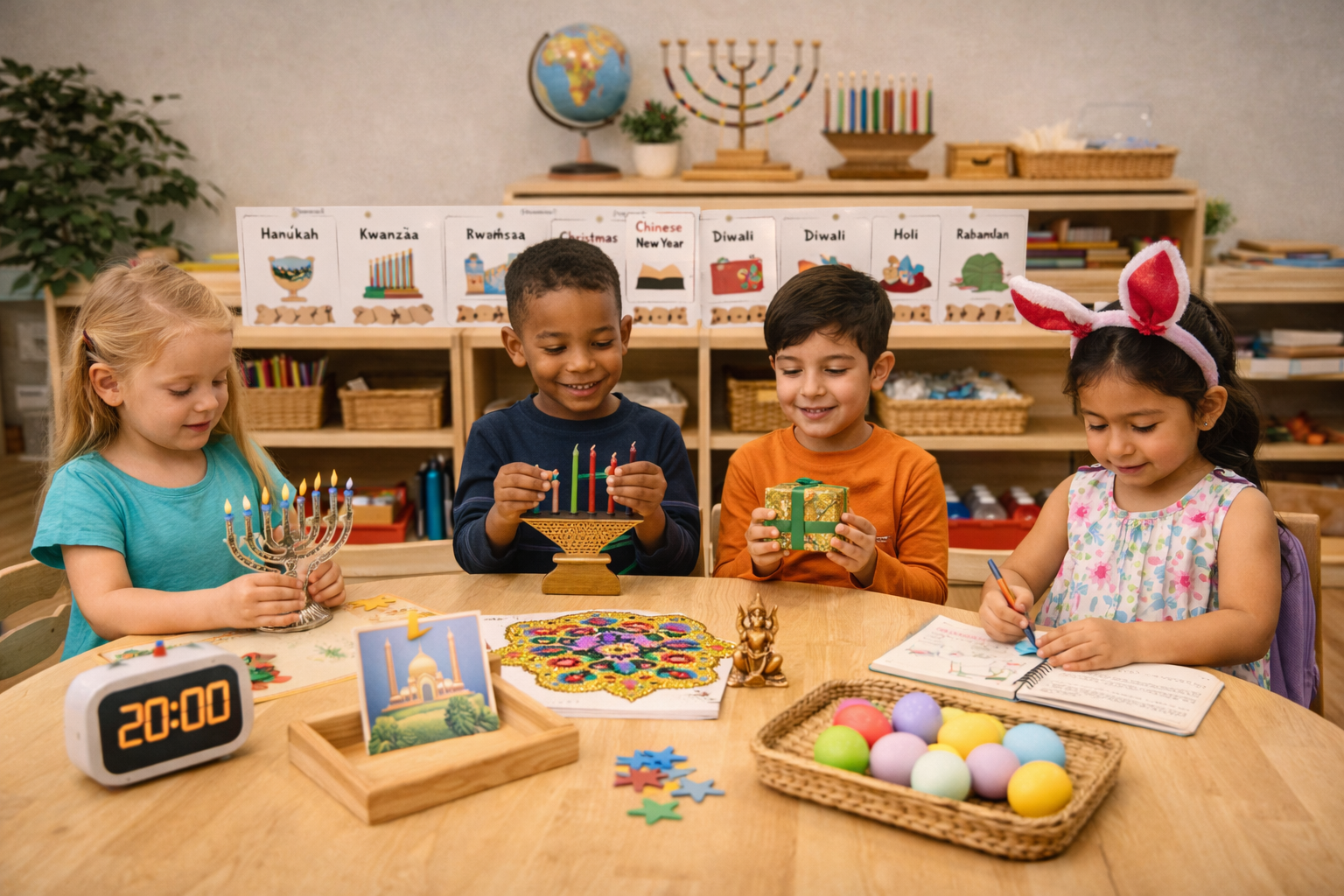
One of the key principles of the Montessori approach to teaching empathy is the concept of respect for the individual. Children are taught from a young age to treat others with kindness, compassion, and understanding. They learn to listen actively, communicate effectively, and consider the feelings and perspectives of others. Through hands-on activities, role-playing exercises, and group discussions, children are encouraged to put themselves in the shoes of others and empathize with their experiences.
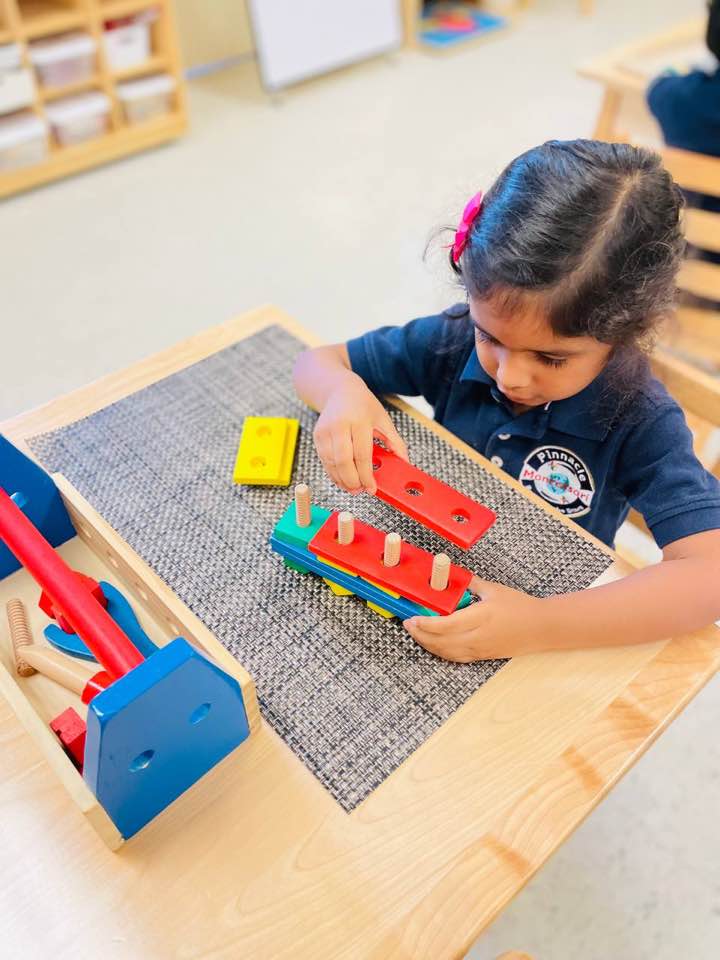
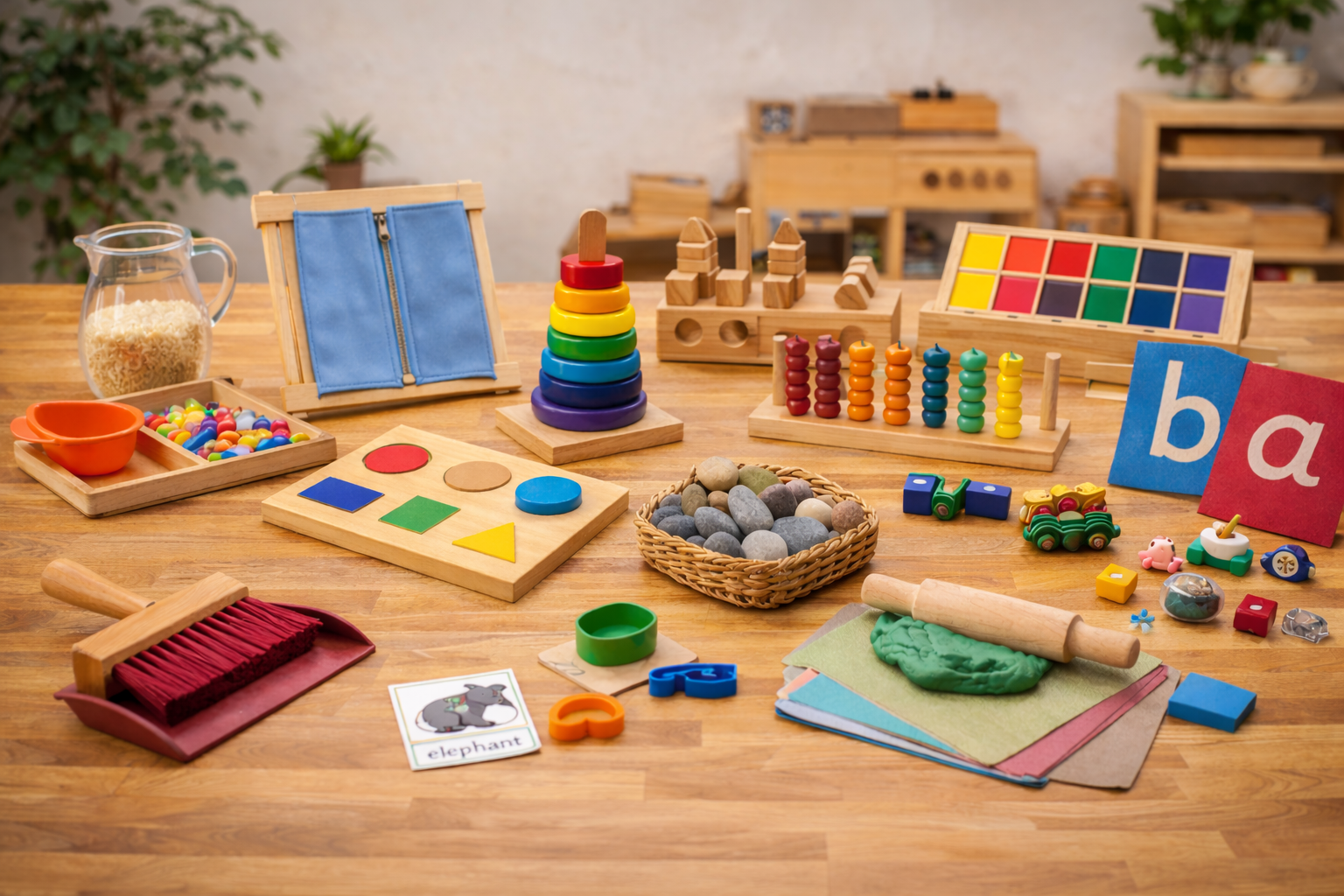
Another important aspect of the Montessori approach to teaching empathy is the emphasis on practical life skills. Children are given opportunities to care for their environment, work collaboratively with their peers, and engage in activities that promote social responsibility. By learning to take care of plants, animals, and their classroom materials, children develop a sense of compassion and empathy towards the world around them.
In a Montessori classroom, conflicts are seen as opportunities for learning and growth. Children are taught to resolve disagreements peacefully, communicate their feelings effectively, and find solutions that benefit everyone involved. By practicing conflict resolution skills in a supportive and nurturing environment, children develop the emotional intelligence and empathy needed to navigate the complexities of human relationships.
Overall, the Montessori approach to teaching empathy emphasizes the importance of fostering a culture of kindness, inclusion, and understanding. By nurturing empathy in children from a young age, we empower them to become compassionate and empathetic individuals who can make a positive impact on the world around them. As Dr. Montessori once said, “The greatest sign of success for a teacher is to be able to say, ‘The children are now working as if I did not exist.'” This sentiment reflects the belief that true empathy cannot be taught, but must be cultivated through lived experiences and meaningful relationships. And in a Montessori classroom, empathy is not just a lesson for the day, but a lesson for life.