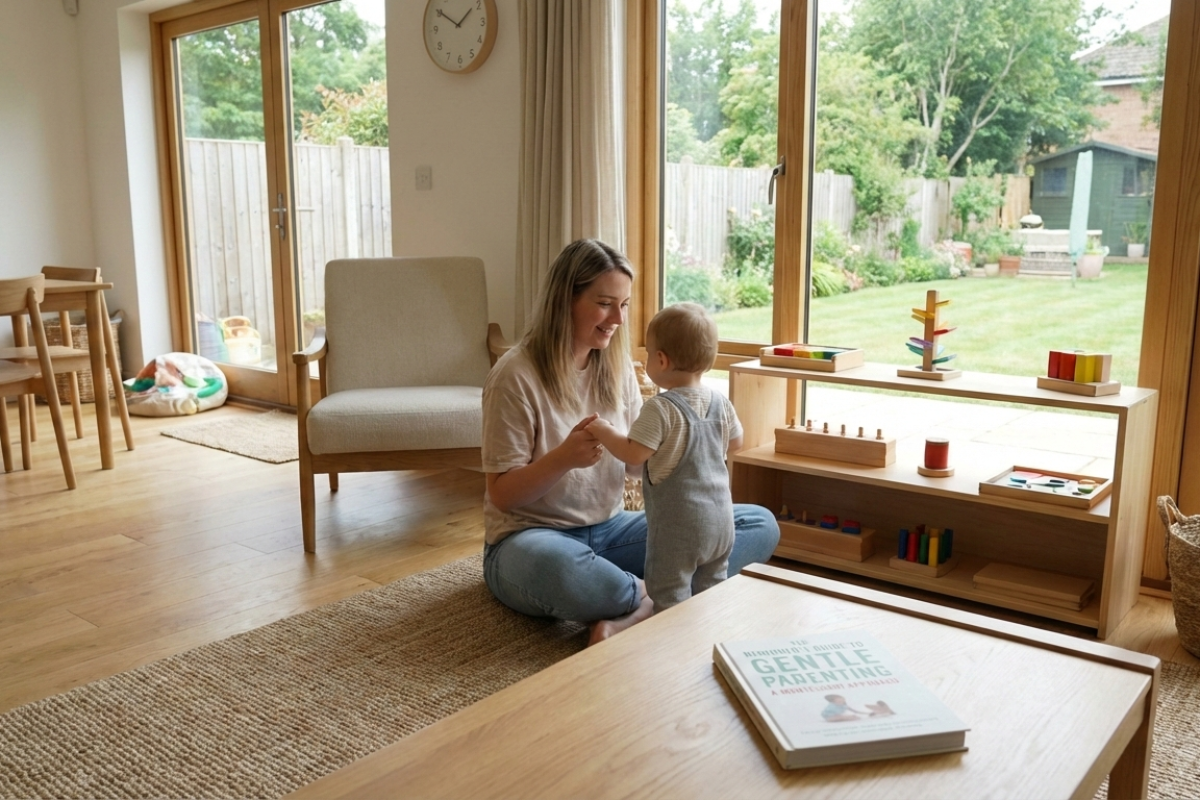
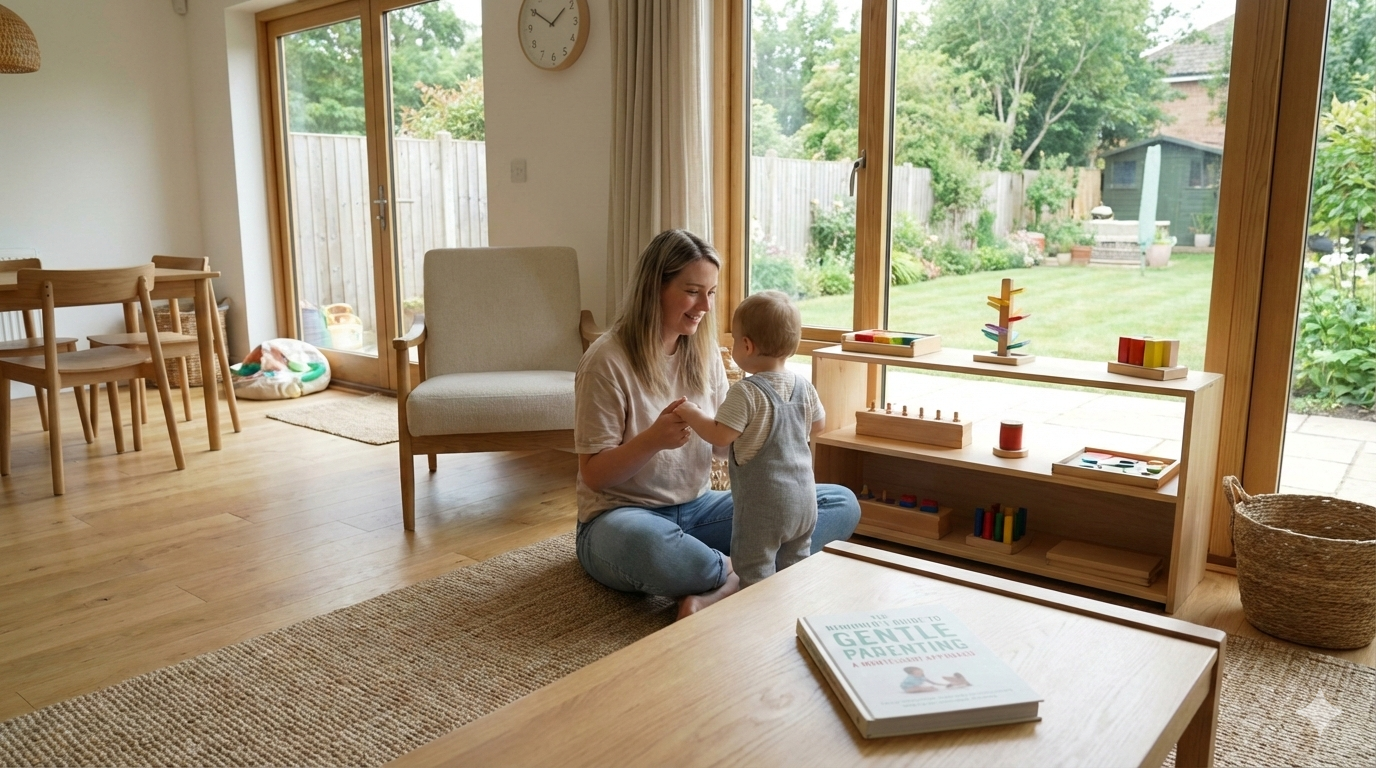
Gentle parenting, a term that resonates profoundly within the educational community, is a holistic approach that champions mutual respect, understanding, and positive reinforcement. It shares many commonalities with the Montessori method, which is known for its child-centric philosophy. If you’re looking to embrace this compassionate style of parenting and education, you’re in the right place. Let’s delve into the world of gentle parenting through the Montessori lens.
1. Understanding Gentle Parenting:
At its core, gentle parenting is about fostering a relationship with your child based on mutual respect. It eschews punitive measures in favor of understanding, empathy, and connection. Just as a Montessori classroom does not rely on grades or external rewards, gentle parenting avoids using rewards and punishments as primary motivators.
2. Active Listening:
Active listening is paramount in gentle parenting. It means truly hearing your child, considering their feelings, and validating their emotions. In a Montessori environment, teachers practice active listening by respecting each child’s pace and understanding their unique needs and interests.
3. Setting Boundaries with Kindness:
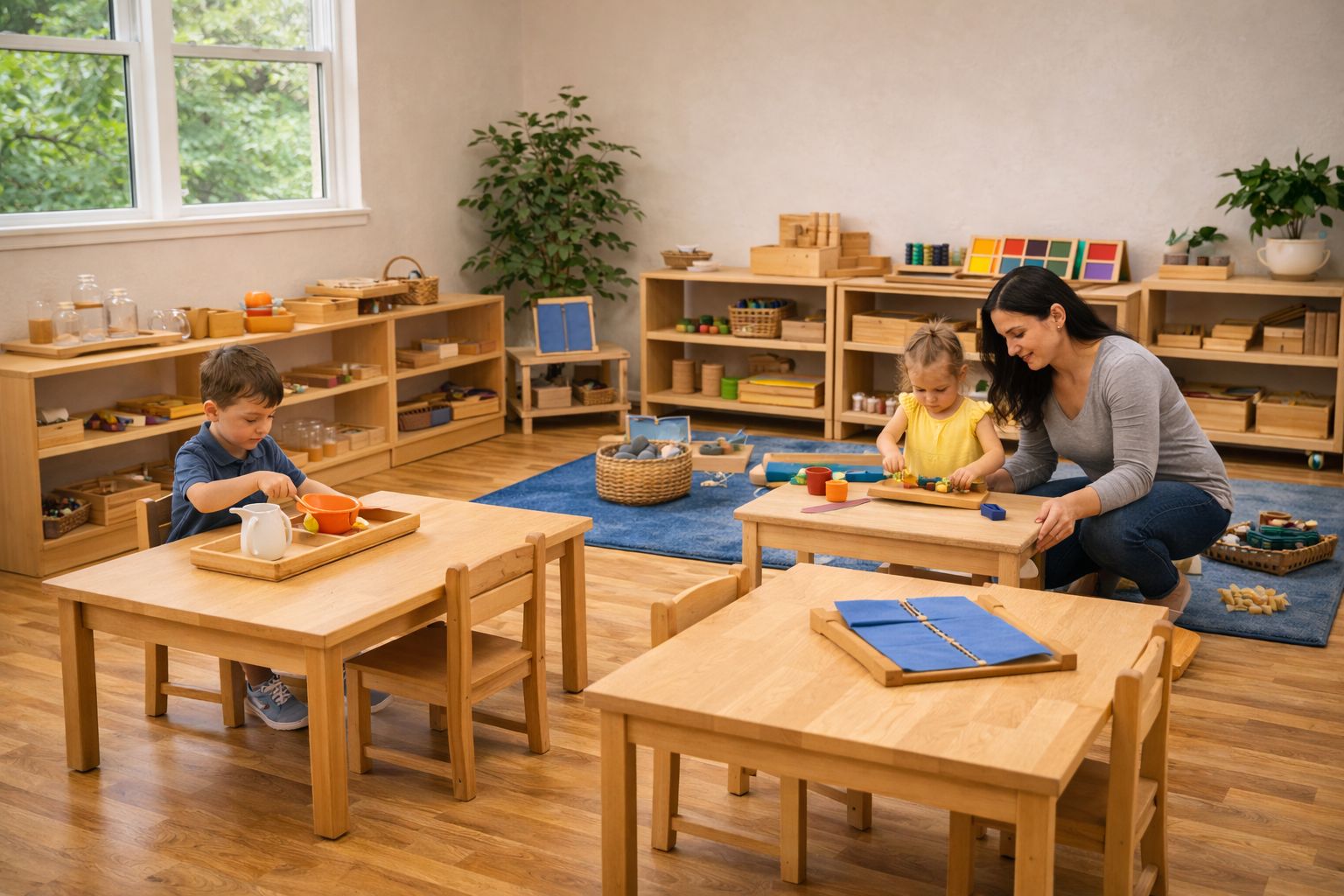
While gentle parenting is compassionate, it isn’t about unrestricted freedom. It’s about setting clear, consistent boundaries, but doing so with kindness and understanding. In Montessori schools, children have the freedom to choose their activities, yet they understand the limits within their environment, promoting autonomy within structure.
4. Modeling Behavior:
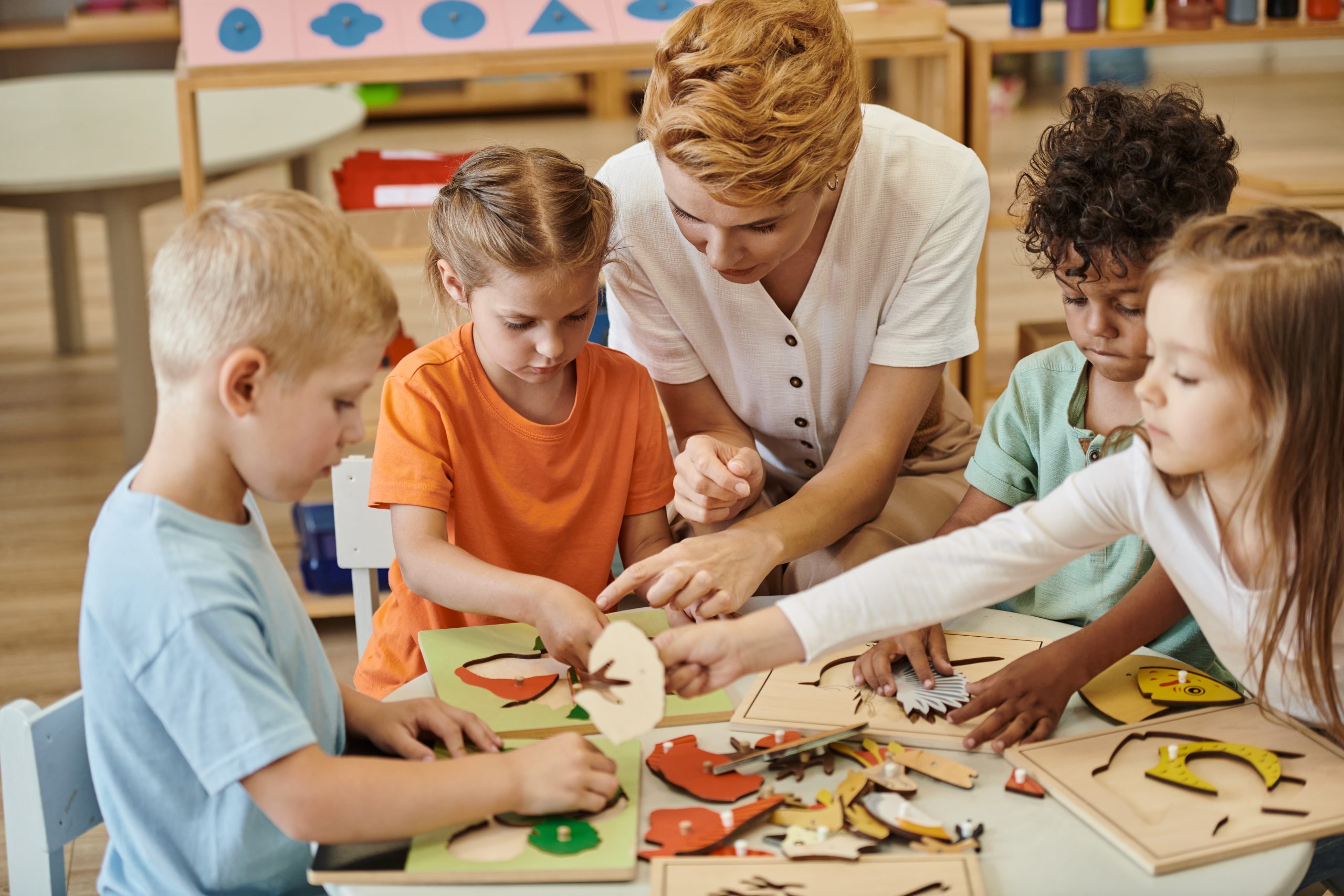
Children are adept observers, learning more from what they see than what they’re told. Gentle parenting emphasizes modeling the behaviors you wish to see. Montessori educators epitomize this by demonstrating tasks, exhibiting patience, and showcasing grace and courtesy in their interactions.
5. Encouraging Independence:
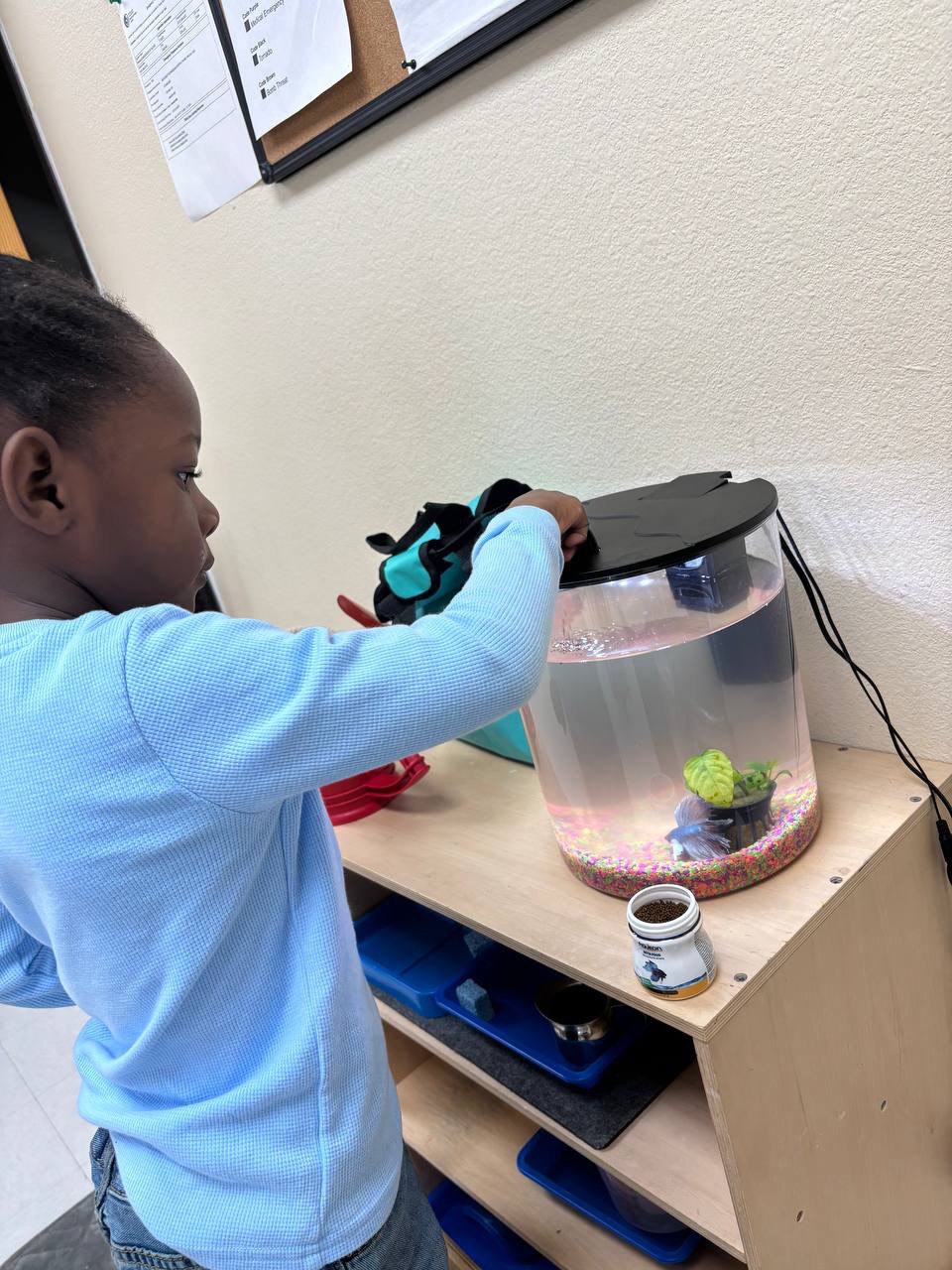
A cornerstone of both gentle parenting and Montessori is fostering independence. This isn’t about pushing the child away, but rather equipping them with the skills and confidence to perform tasks on their own. Whether it’s tying shoes, setting the table, or resolving conflicts, the goal is to guide rather than do for them.
6. Embracing Natural Consequences:
Instead of imposing arbitrary punishments, gentle parenting leans into natural consequences as learning tools. Similarly, in Montessori classrooms, if a child spills something, they’re taught and encouraged to clean it up – not as a punishment, but as a logical outcome and responsibility.
7. Being a ‘Guide on the Side’:
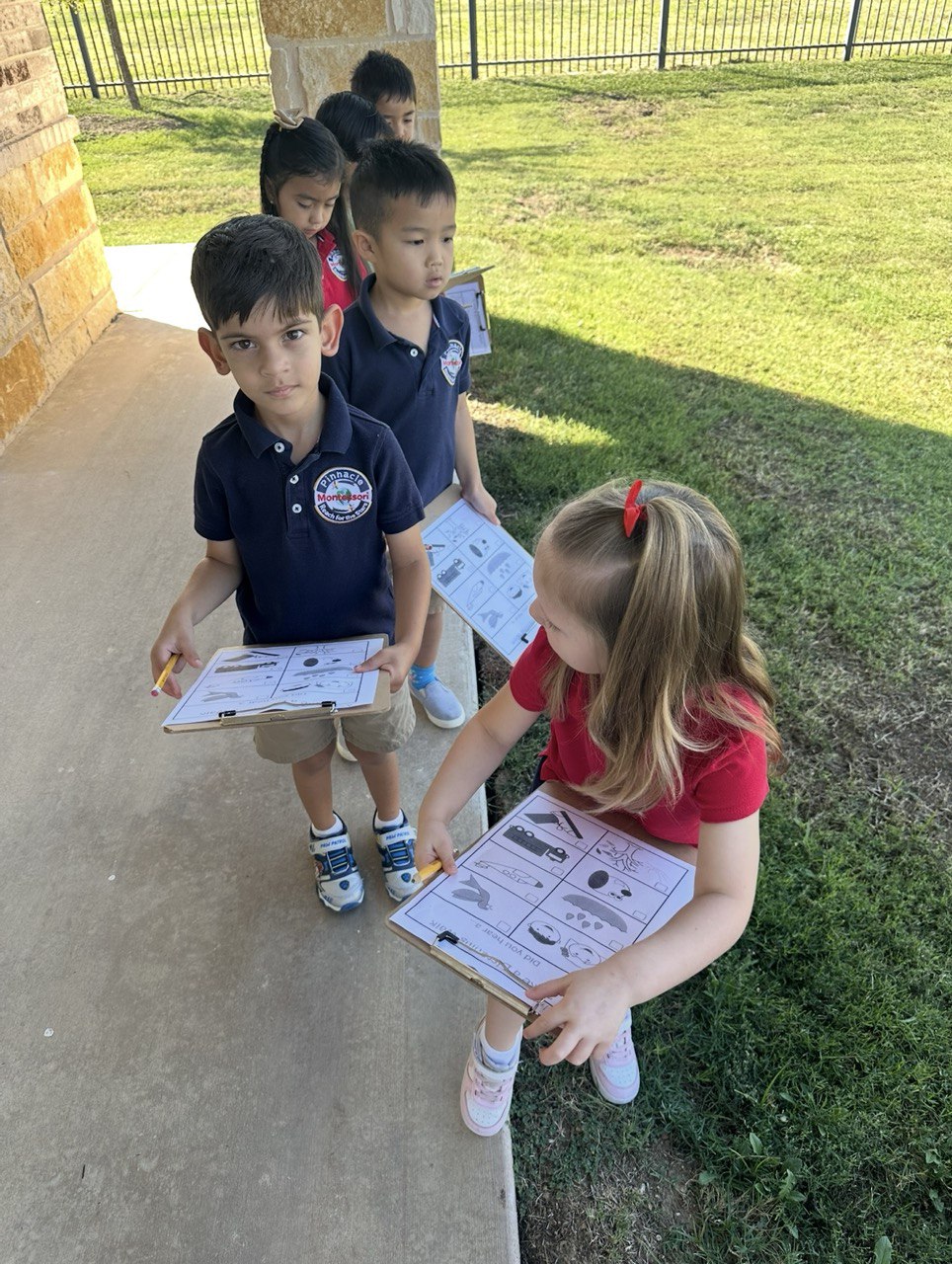
Instead of the traditional ‘sage on the stage’ approach, both Montessori educators and gentle parents act as guides. They’re there to facilitate the child’s learning and growth, offering support when needed but also allowing the child to discover, make mistakes, and learn organically.
Embracing the principles of gentle parenting can seem like a challenge, but the rewards of a deeper, more understanding relationship with your child are unparalleled. And if you’re looking for an educational environment that complements and enhances this approach, look no further than Pinnacle Montessori of Sachse, TX. Our dedicated team understands the intrinsic value of the gentle parenting approach and seamlessly integrates it into our teaching philosophy. Dive into an environment tailor-made for your child’s growth, where hands-on experiences and individualized attention pave the way for success.
Join the Pinnacle Montessori community today, and let’s nurture a brighter, kinder, and more empathetic tomorrow for your child.