In today’s fast-paced, interconnected world, the ability to navigate social situations and build relationships is more important than ever for children. Educational programs play a crucial role in facilitating the development of these essential social skills. From preschool through to high school, structured educational environments provide children with opportunities for interaction, collaboration, and learning that profoundly impact their social development. Let’s delve into how these programs influence children’s social skills and overall development.
1. Encouraging Interaction and Communication
One of the most significant benefits of educational programs is the promotion of interaction among children. In group settings, such as classrooms or extracurricular activities, children learn to communicate their thoughts and feelings effectively. They also practice active listening, which is crucial for understanding other perspectives. The structured nature of educational programs encourages children to express themselves, facilitating the development of verbal and non-verbal communication skills.
2. Building Empathy and Emotional Intelligence
Educational programs often incorporate lessons on empathy and emotional awareness. These lessons help children understand their own emotions and recognize the feelings of others. Programs focused on social-emotional learning (SEL) teach children how to navigate social conflicts and understand diverse viewpoints. As children engage in discussions and collaborative projects, they grow more attuned to others’ emotions, fostering compassion and the ability to empathize, which are essential components of effective social interactions.
3. Promoting Teamwork and Collaboration
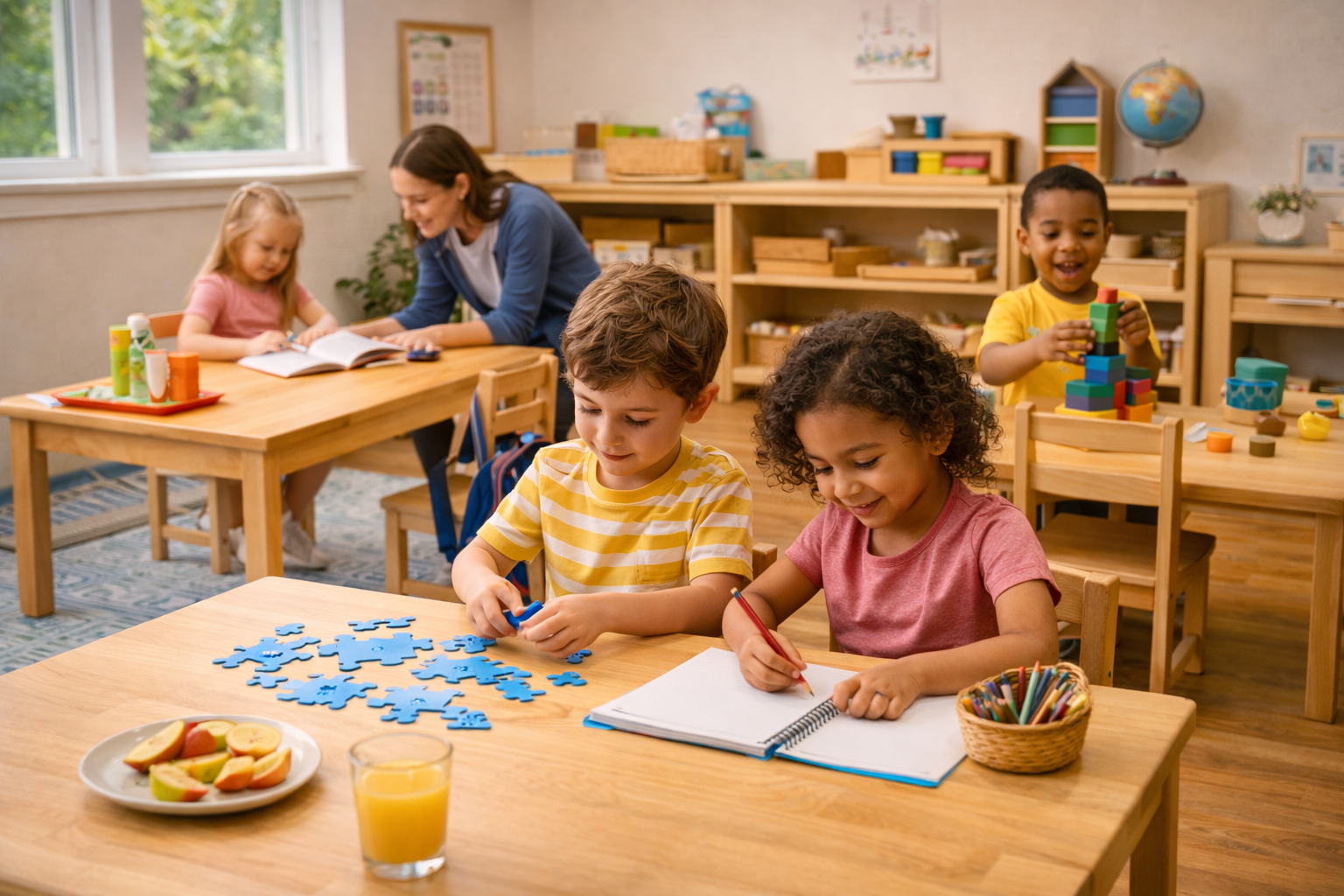
In an educational setting, children are frequently required to work in groups or teams to complete projects and solve problems collectively. These collaborative experiences enhance their ability to work cooperatively, respect differing opinions, and develop negotiation skills. Through teamwork, children learn about the importance of roles and responsibilities, which can translate into leadership and collaborative skills later in life. These abilities are not only vital for academic success but also for working in diverse teams in future careers.
4. Enhancing Conflict Resolution Skills
Conflict is a natural part of human interactions, and educational programs provide children with the tools to address disputes constructively. Through role-playing and problem-solving exercises, kids learn how to manage disagreements, consider various solutions, and make compromises. The ability to resolve conflicts amicably is a valuable skill that contributes to healthier relationships, both during childhood and throughout adulthood.
5. Fostering a Sense of Belonging and Community
Educational programs often promote inclusivity and community-building within the classroom. Participating in group activities and school events helps children develop a sense of belonging, which is crucial for their social well-being. This sense of community encourages children to form friendships and supports their social integration. The feeling of being part of a larger group can also boost children’s self-esteem and confidence, enhancing their willingness to engage socially.
6. Influencing Long-term Development
The impact of educational programs on social skills extends far beyond childhood. The skills learned during these formative years often lay the groundwork for future interpersonal relationships, academic success, and career prospects. Children who develop strong social and emotional competencies are better equipped to handle the challenges of adulthood, including job interviews, workplace dynamics, and maintaining personal relationships.
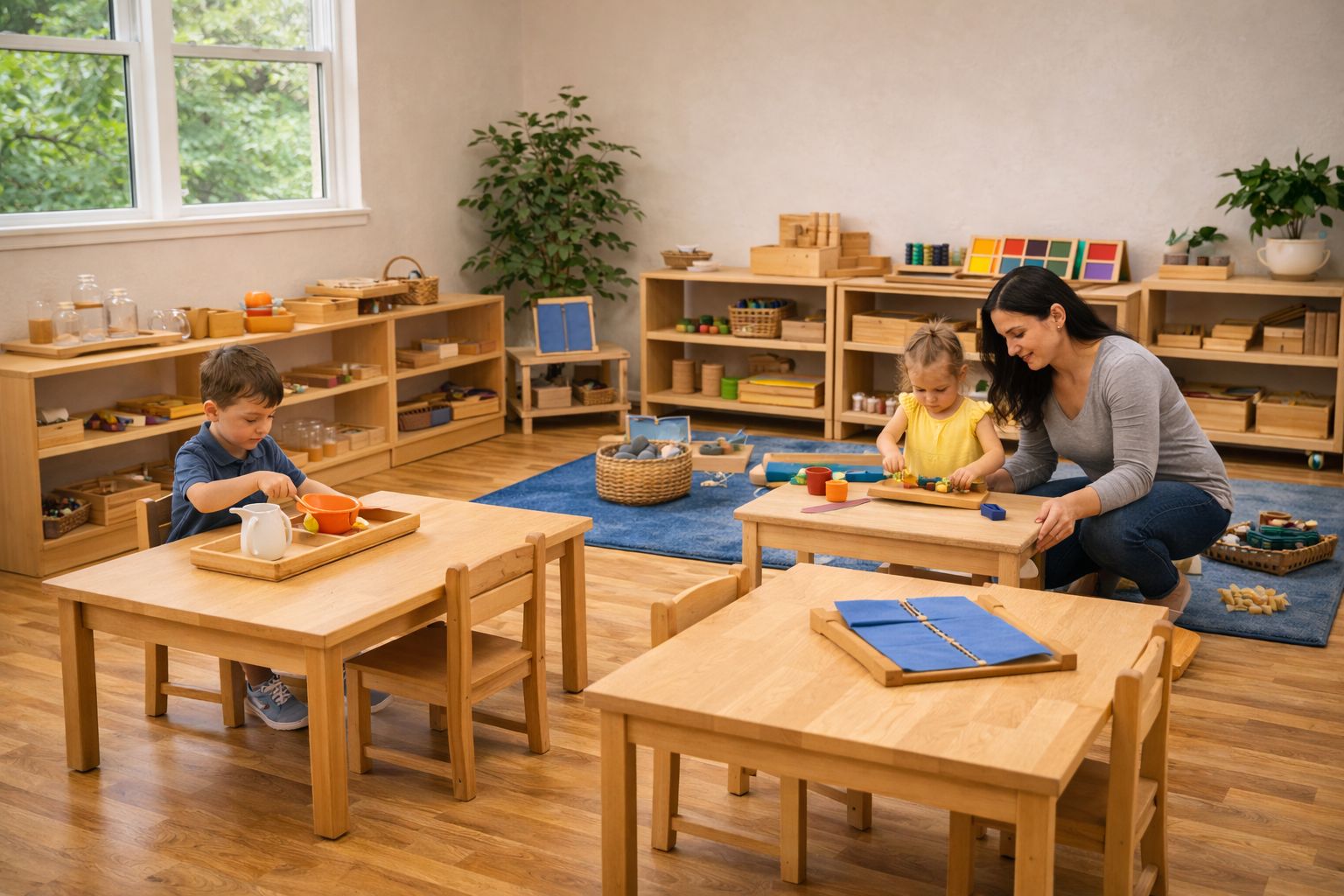
Pinnacle Montessori of Sachse provides a nurturing and stimulating environment where young minds can flourish. We offer a variety of Montessori programs designed to cater to the developmental needs of children at different stages of their growth.
For more information about our Montessori programs and to schedule a visit to our campus, please call us at (972) 698-4204. We invite you to experience firsthand the nurturing and dynamic environment that Pinnacle Montessori offers. Join us in shaping the future by fostering your child’s natural curiosity and potential.