

In today’s digital age, integrating technology into educational programs for children is not just beneficial; it’s essential. Technology can enhance learning experiences, foster creativity, and prepare kids for a technology-driven future. Here are some practical steps to effectively incorporate technology into kids’ educational programs:
1. Utilize Interactive Learning Tools
Start by introducing interactive learning tools such as educational apps and games. Tools like Kahoot! or Quizizz can make learning fun and engaging while helping kids grasp concepts through quizzes and interactive challenges. Additionally, platforms like Google Classroom allow teachers to create a virtual classroom environment, promoting collaboration and communication among students.
2. Integrate Coding and Robotics
Coding is becoming a fundamental skill in many professions. Introducing kids to coding at an early age can stimulate their problem-solving abilities and creativity. Programs like Scratch or Tynker provide user-friendly interfaces for children to create their own games and animations. For a hands-on approach, consider robotics kits like LEGO Mindstorms or VEX Robotics, which allow kids to build and program their own robots, merging technology with tangible learning.
3. Incorporate Multimedia Presentations
Encourage kids to express their knowledge through multimedia presentations. Tools like Microsoft PowerPoint, Prezi, or even the simpler Google Slides can help children create visually appealing presentations. Allowing students to use images, videos, and animations encourages creativity and helps them better articulate their understanding of a topic.
4. Leverage Online Resource Platforms
Take advantage of online educational resources and platforms that provide videos, articles, and interactive lessons tailored for kids. Websites like Khan Academy, PBS Kids, or National Geographic Kids offer a wealth of knowledge across various subjects, enabling children to learn at their own pace and explore topics that interest them.
5. Encourage Collaborative Projects with Technology
Fostering collaboration among students can lead to enhanced learning experiences. Utilize tools like Google Docs, Padlet, or Trello to facilitate group projects, allowing kids to work together, share ideas, and complete tasks efficiently. These platforms promote teamwork while familiarizing children with digital communication tools they’ll encounter in the workforce.
6. Host Virtual Field Trips
Technology can bring the world to the classroom through virtual field trips. Platforms like Google Arts & Culture and Explore.org offer immersive experiences, allowing students to visit museums, historical sites, or even the depths of the ocean without leaving their classroom. Such experiences can enrich learners and stimulate interest in diverse subjects.
7. Use Classroom Management Software
Managing a classroom effectively is crucial to enhancing the educational experience. Classroom management software like ClassDojo or Seesaw enables educators to track student progress, assign tasks, and communicate with families easily. These platforms foster a structured environment conducive to learning while keeping parents informed of their children’s development.
8. Introduce Online Safety and Digital Citizenship
As kids engage with technology, it’s vital to teach them about online safety, responsible digital behavior, and digital citizenship. Incorporate lessons that cover topics such as internet safety, discerning credible information, and respecting others online. By instilling these values, children can navigate the digital landscape thoughtfully and safely.
9. Encourage STEAM Education
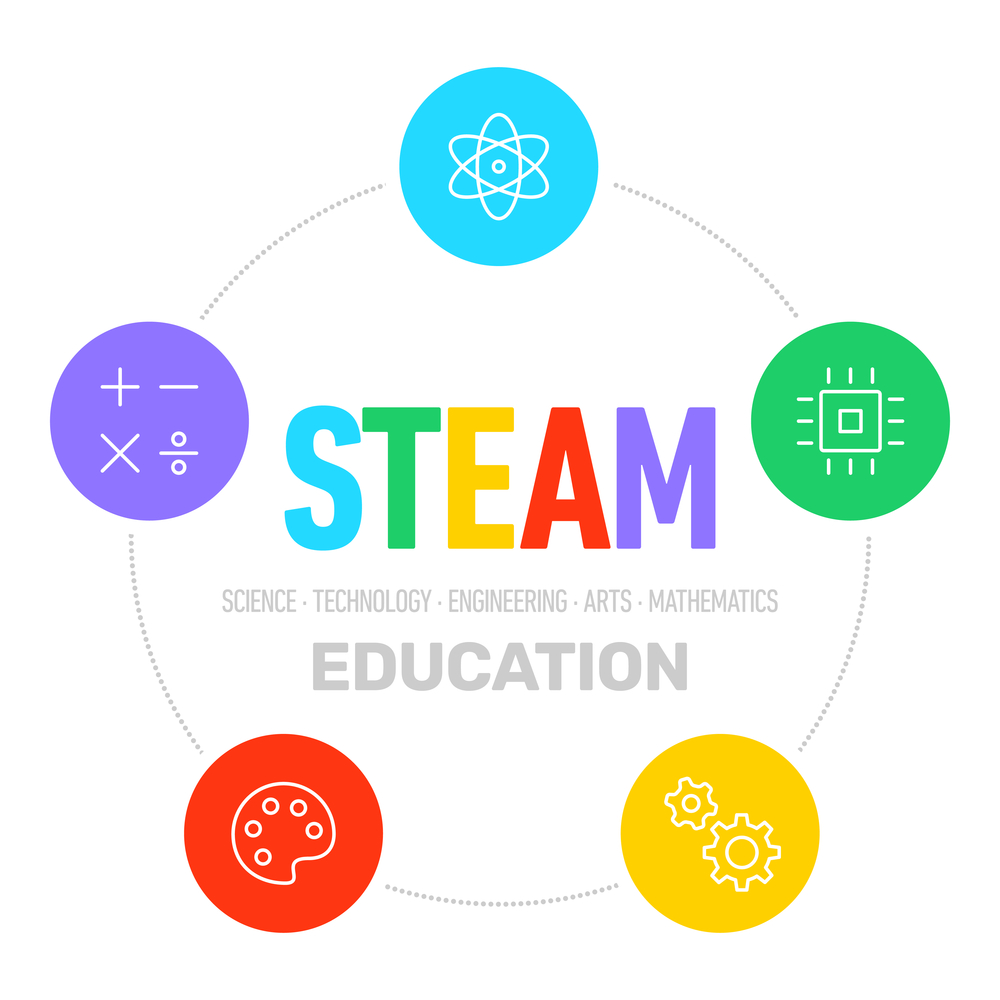
Integrating technology into STEAM (Science, Technology, Engineering, Arts, and Mathematics) education can enhance critical thinking skills and creativity. Engaging kids in projects that blend these subjects, like scientific experiments that utilize coding or art projects with digital tools, encourages holistic learning and allows students to see the real-world application of their studies.
Pinnacle Montessori of Forney provides a nurturing and stimulating environment where young minds can flourish. We offer a variety of Montessori programs designed to cater to the developmental needs of children at different stages of their growth.
For more information about our Montessori programs and to schedule a visit to our campus, please call us at (972) 552-7227. We invite you to experience firsthand the nurturing and dynamic environment that Pinnacle Montessori offers. Join us in shaping the future by fostering your child’s natural curiosity and potential.