

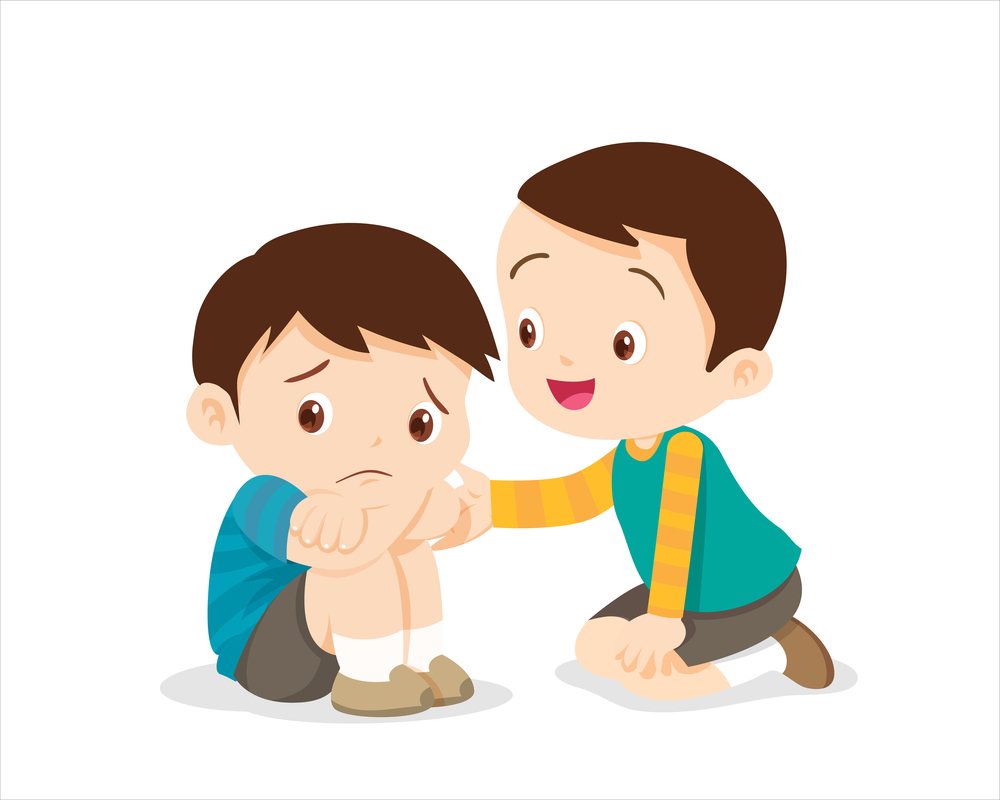
Montessori schools are known for their unique approach to education, focusing on the holistic development of a child rather than just academic learning. One important aspect of this holistic approach is teaching empathy, the ability to understand and share the feelings of others. Here’s a comprehensive overview of how Montessori schools teach empathy:
1. Mixed-Age Classrooms: Montessori schools typically have mixed-age classrooms, where children of different ages and abilities work together. This allows younger children to learn from older ones and older children to practice empathy by helping and guiding younger ones. By interacting with peers of different ages, children learn to understand and appreciate the perspectives and feelings of others.
2. Emphasis on Independence: In Montessori classrooms, children are encouraged to work independently and at their own pace. This fosters a sense of autonomy and self-awareness, which are essential for developing empathy. Children learn to recognize their own emotions and needs, which in turn helps them understand and empathize with the feelings of others.
3. Focus on Peace Education: Montessori schools often incorporate peace education into their curriculum, teaching children about conflict resolution, empathy, and compassion. Through activities like peace circles, conflict resolution role-plays, and discussions about emotions, children learn to value empathy and kindness as essential components of peaceful interactions.
4. Practical Life Activities: Practical life activities, such as washing dishes, gardening, and preparing snacks, are a core part of the Montessori curriculum. These activities not only teach children important life skills but also help them develop empathy. By caring for their environment and engaging in tasks that benefit others, children learn to consider the needs of others and develop a sense of empathy and responsibility towards their community.
5. Positive Discipline: Montessori schools promote positive discipline techniques that encourage children to reflect on their actions and learn from their mistakes. Instead of punitive measures, teachers use guidance, redirection, and modeling positive behavior to help children understand the impact of their actions on others. By encouraging empathy and understanding, children learn to think before acting and consider how their choices affect those around them.
Overall, Montessori schools provide a nurturing and supportive environment that encourages the development of empathy in children. By emphasizing mixed-age classrooms, independence, peace education, practical life activities, and positive discipline, Montessori educators help children cultivate a deep sense of empathy and compassion towards others, essential qualities for building strong relationships and creating a more compassionate society.